
Seeing Differently at MYL Berlin
There are always two shows at a fashion week event: the one on the runway, and the one no one turns their lens toward. During the MYL Berlin event as part of the official program of London Fashion Week FW 2026-27 I chose the second show.
Most photographers positioned themselves at the end of the track, waiting for silhouettes, for clean looks, for the models and garment in motion. It is a typical choreography that we all know well in runway photography. I almost joined them. Instead, I moved elsewhere and stood in front of the artistic installation by Natalie von Matt, where the few spotlights created uneven lighting just in front of me.
The installation sat in the middle of the runway tracks, and it was impossible to miss it physically, but easy to miss it conceptually. It was composed of three adult mannequins seated in a circle. Dolls resting on their laps. Pink plastic bags filled with dolls scattered on the floor, each stamped with the label: “nothing important.”
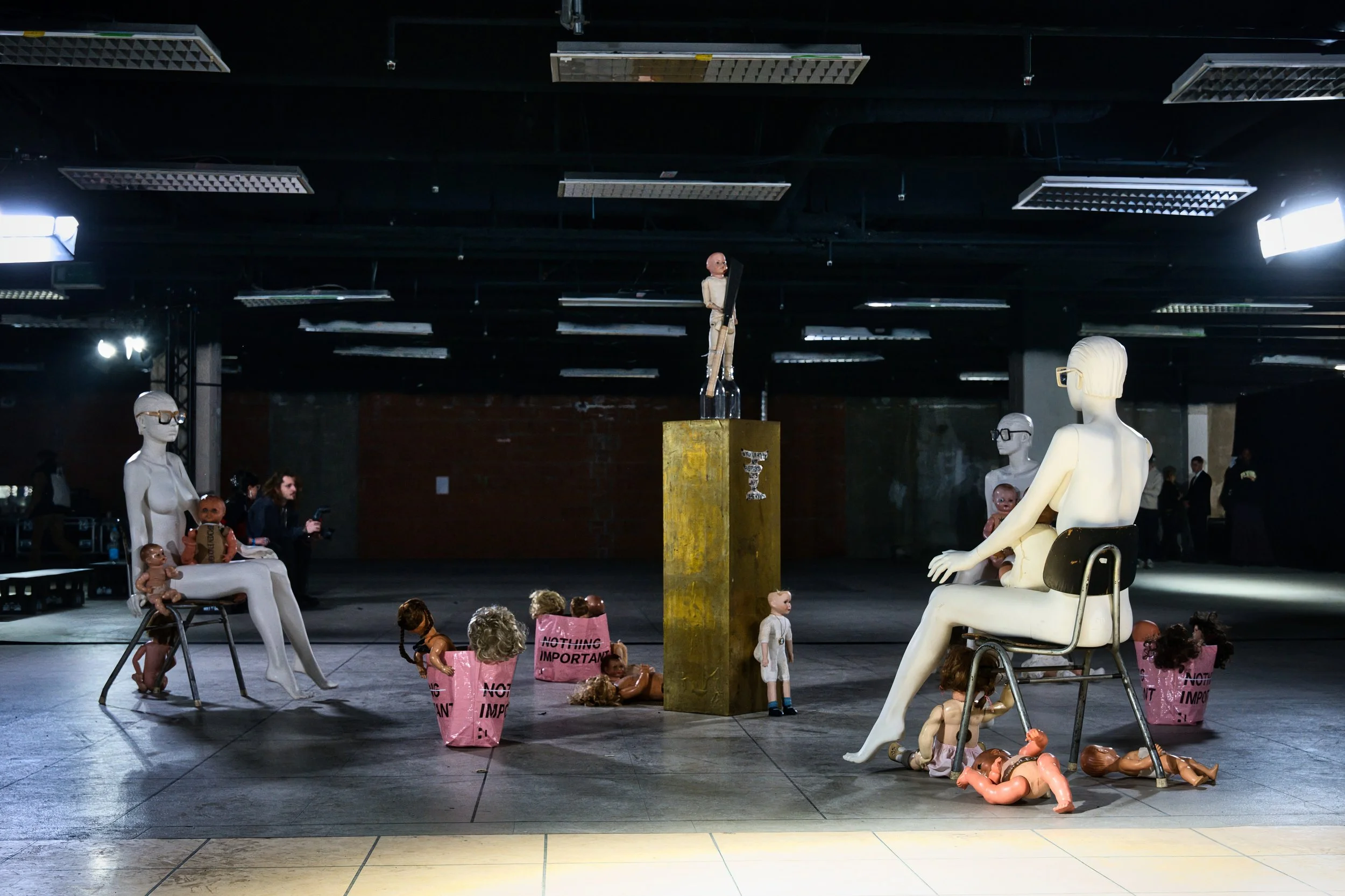
Art Installation by Natalie von Matt. Photos: Igor Ogashawara (@twlportrait)
At the center, a golden totem inscribed with the sentence: “unfortunately not everybody gets what he deserves” and on the top a doll holding a saw.
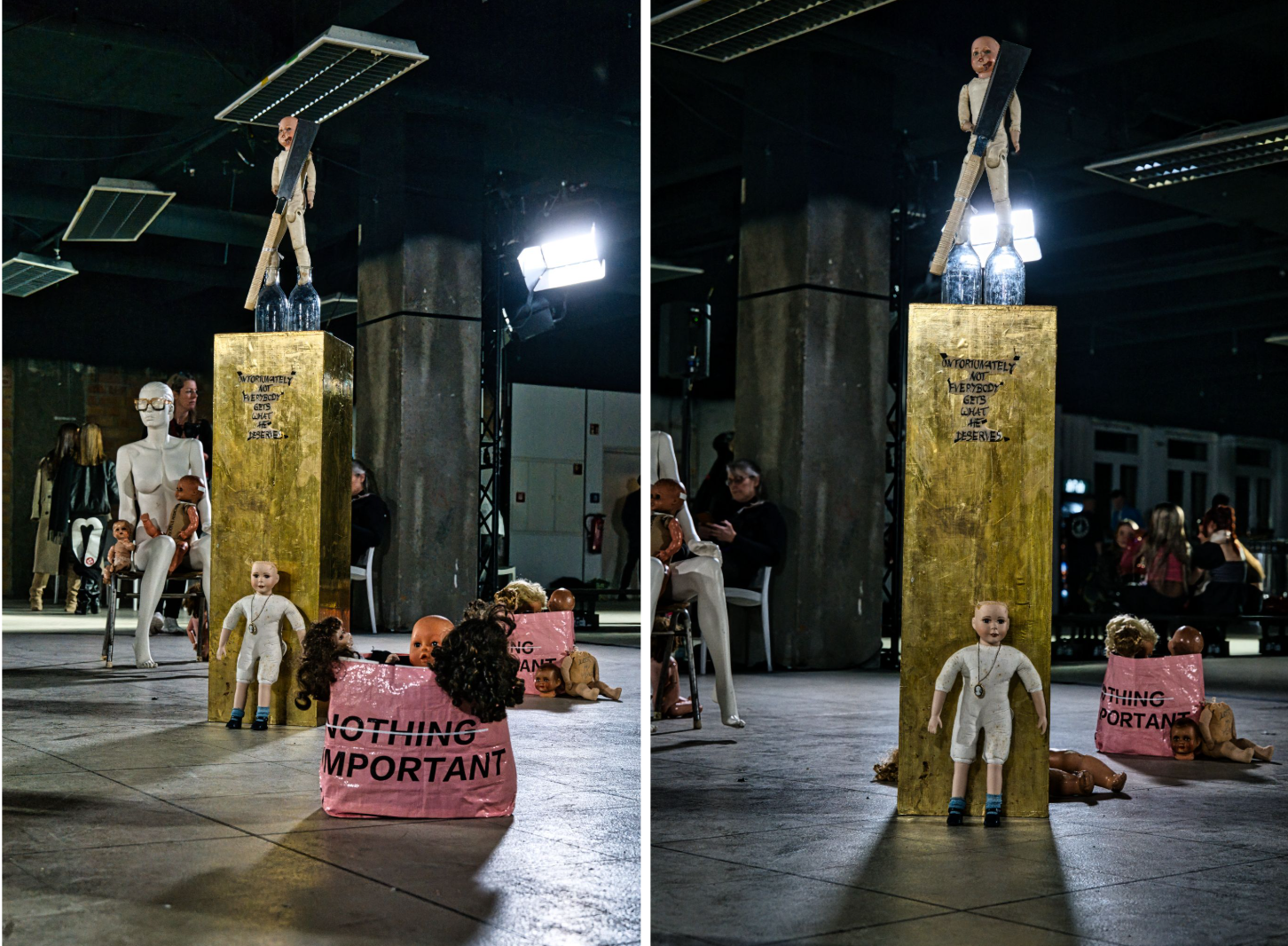
Golden totem in the center of the art installation by Natalie von Matt. Photos: Igor Ogashawara (@twlportrait)
From where I stood, the runway became secondary. Models moved along this frozen ritual. The installation did not decorate the show, it unsettled it.
The idea that childhood shapes adulthood is not new. But seeing innocence packaged and dismissed as “nothing important” inside a fashion context felt uncomfortable in a necessary way. It suggested that what we neglect early becomes the silent structure of who we become. And our foundations and structures matter, especially in creativity.
Standing there, struggling with exposure, I realized how easily I could have chosen comfort. The lighting was scarce, spotlight-driven, uneven. In my position, there was not enough light on the top of the frame, and there was too much light in the bottom of the frame (perhaps that was why few stayed in that location). It would have been easier to step into the well illuminated area and capture the clean, expected image.
Instead, I stayed in the area with the uneven light. Not because it was heroic — but because it felt honest. Fashion photography, especially during fashion week, often moves toward repetition without meaning to. We chase clarity. We chase access. Innovation becomes subtle, sometimes accidental. We rarely question the angle itself.
That night, in front of dolls labelled “nothing important,” I began to question mine.
Before the music began, there was only the murmur of the audience. Two warnings asked people to take their seats. Then the performance started without any notice. Six dancers broke into movement. Chains. Confrontation. A tension that did not release.
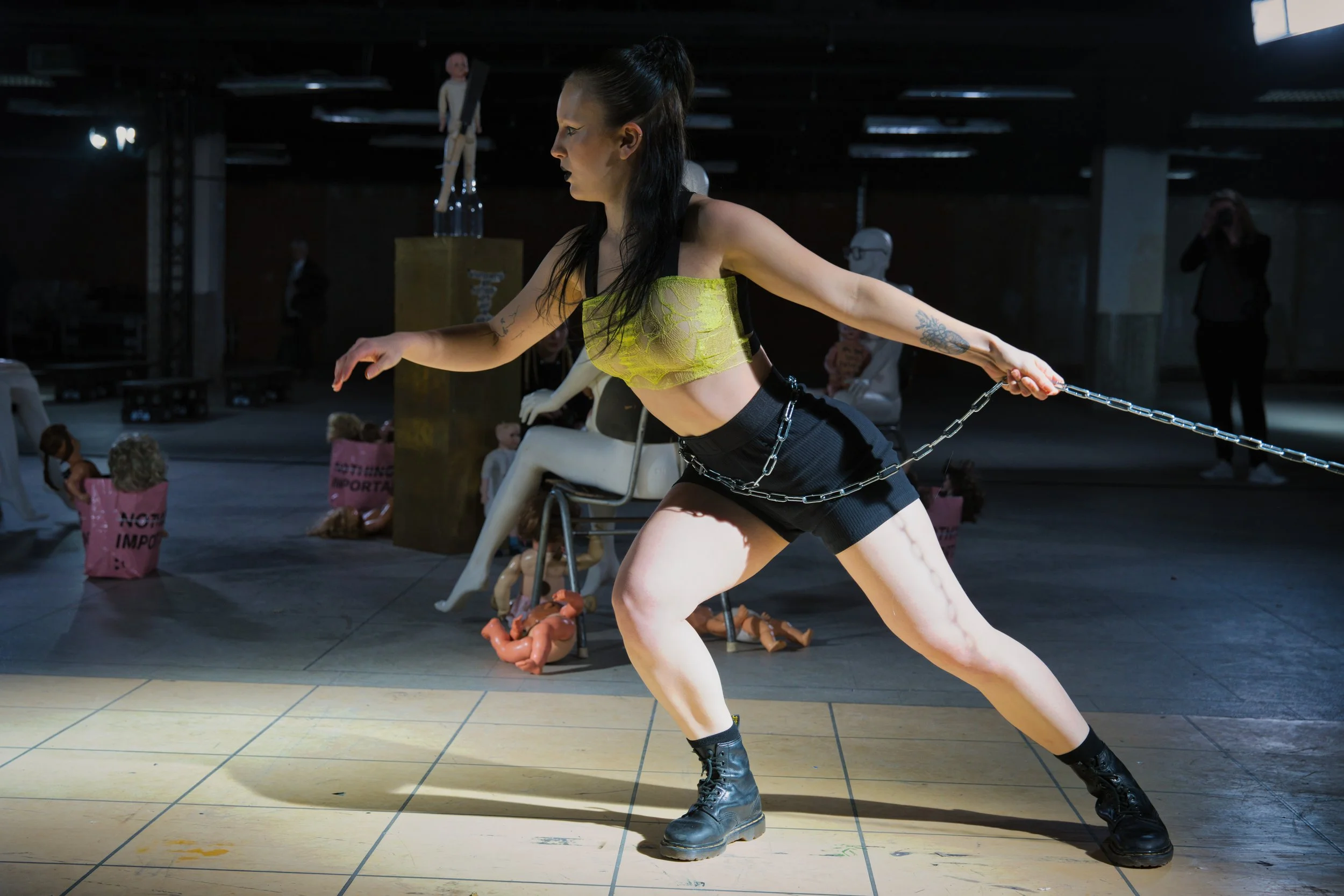
Part of the dance performance by movement director Marie Zechiel. Photos: Igor Ogashawara (@twlportrait)
The choreography unfolded along the entire track, making it impossible to see everything from any single position. Each seat offered fragments of the performance. Whether intentional or not, it echoed the installation’s message: not everybody gets what he deserves. No one received the full narrative. No one had total visibility. From my angle, I never saw the full dance. I saw bodies passing, movement colliding with stillness. Freedom orbiting something unresolved.
Many attendees seemed unprepared at first. Some were still standing up, some still talking. The show began on time; audience attention arrived slightly late. But as the performance developed, the room shifted. The energy sharpened. The audience leaned in.
The location, Cank Berlin, amplified that tension. The industrial space did not attempt to polish itself for fashion week. It felt expansive, imperfect, unapologetic. Although officially part of London Fashion Week, the show remained unmistakably Berlin: dominated by black, balanced between wearable and conceptual. It did not translate itself to fit London; it invited London into Berlin instead.
That insistence mirrored the art installation’s deeper suggestion: not everyone receives the childhood they deserve. Not every creative person receives permission early enough. And yet, adulthood offers moments where we decide whether to remain seated in the circle or to break it. The collection “BROKEN ENOUGH? THE OATH” by Sebastian SK and Ayham Hussein seemed to stage these moments. The instant of cutting invisible chains. The decision to reclaim something which was earlier dismissed. It reminded me of the Japanese manga “One Piece”, where Luffy’s pursuit of freedom is not naïve, but radical. Freedom there is not loud, it is deliberate.
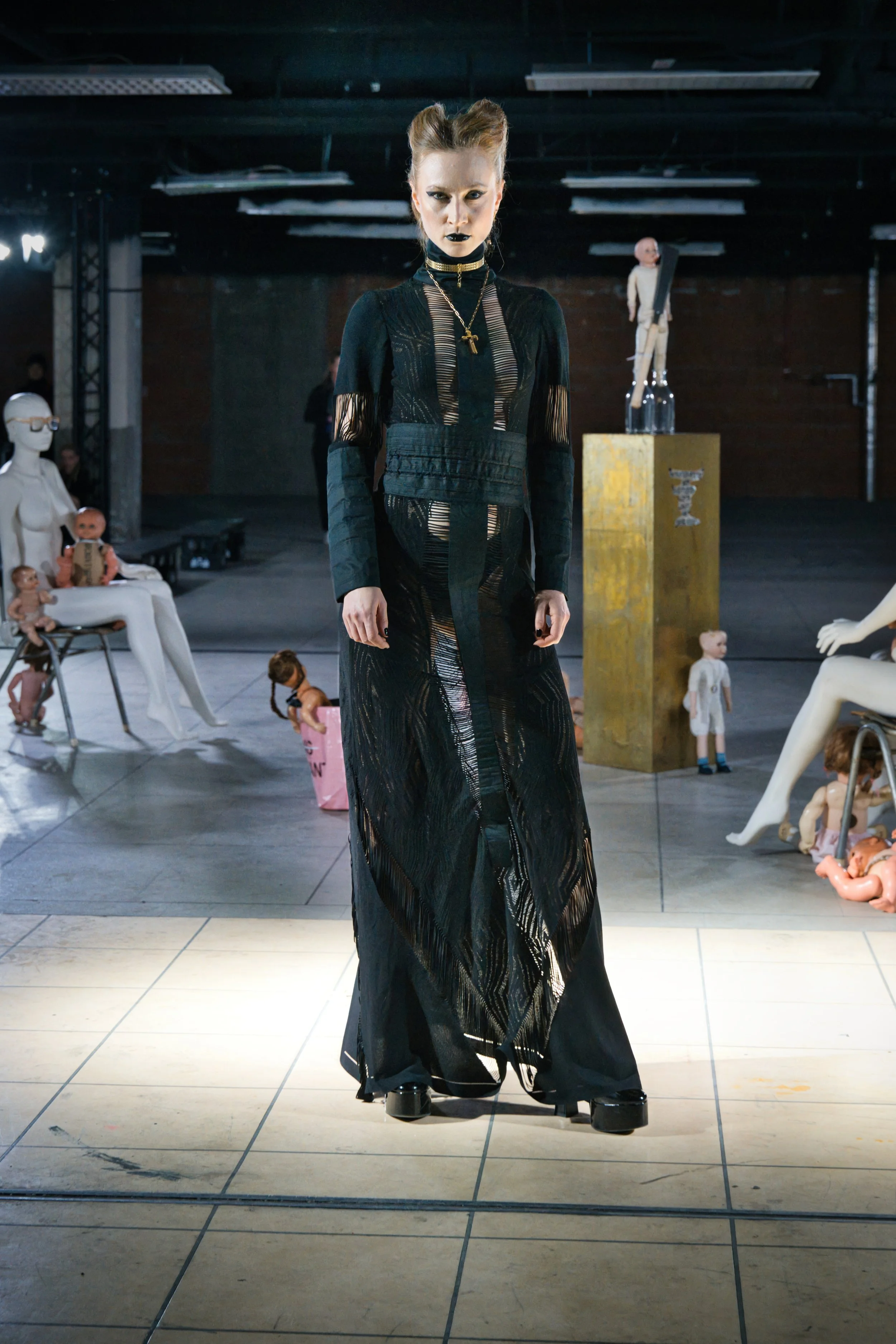
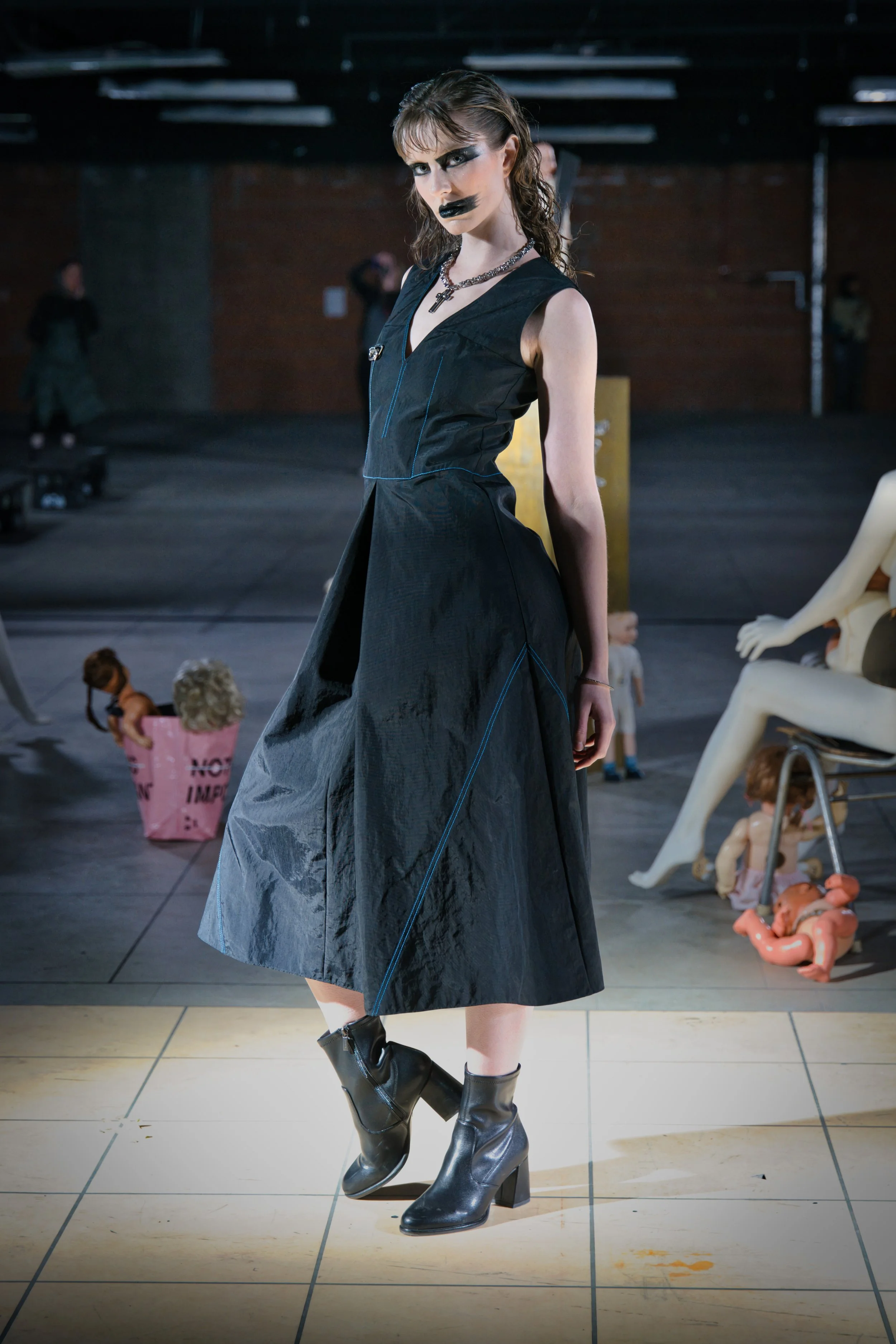
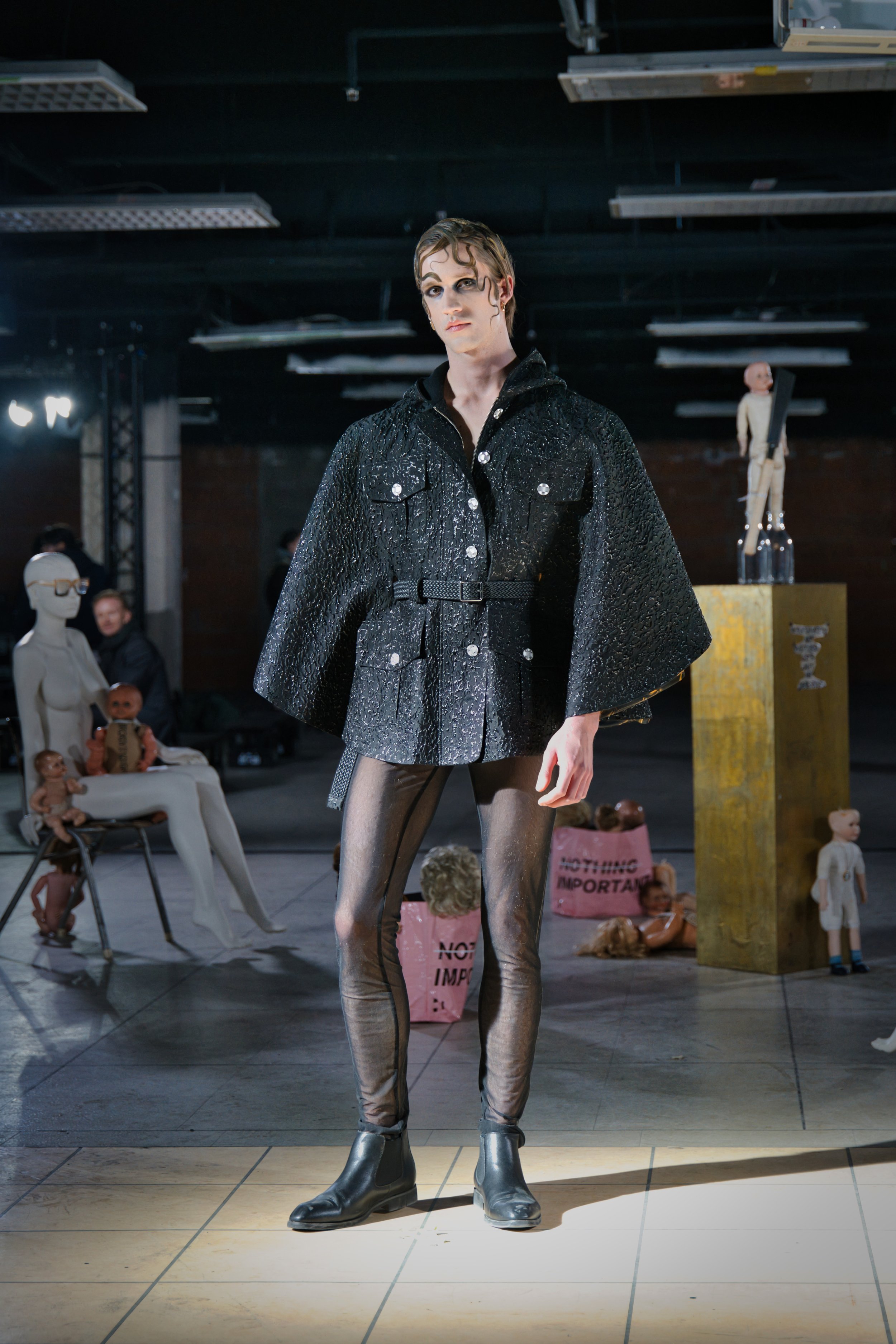
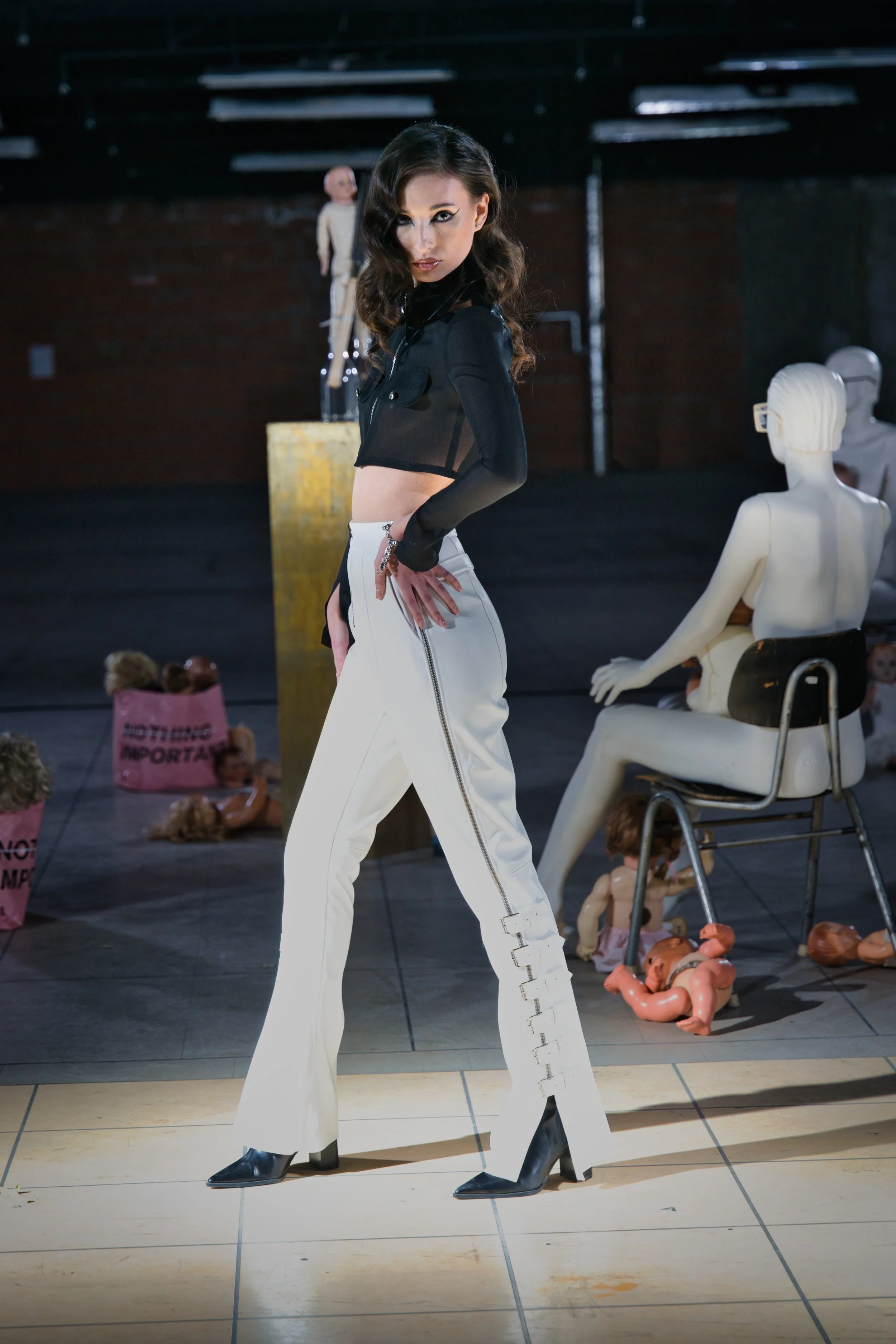
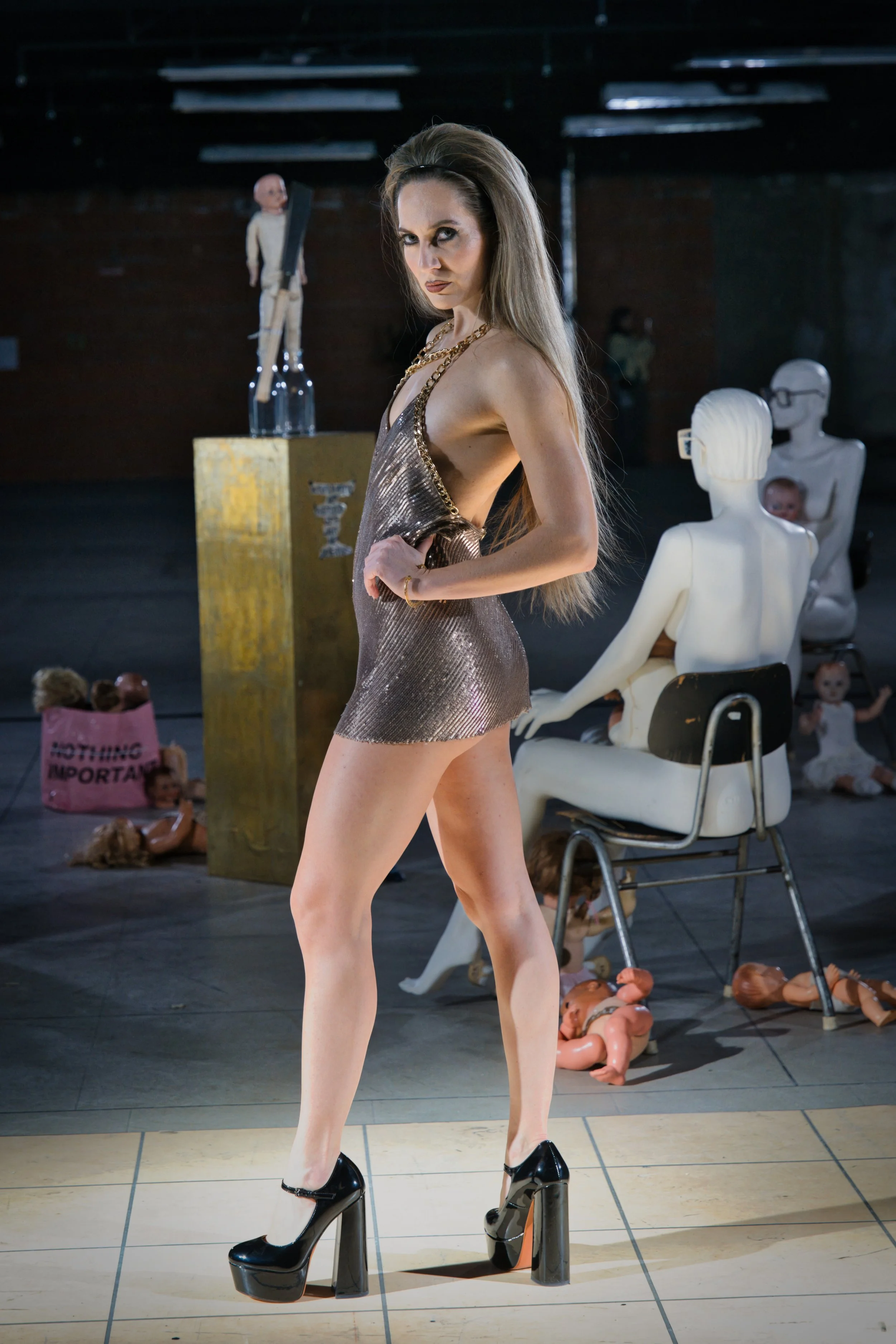
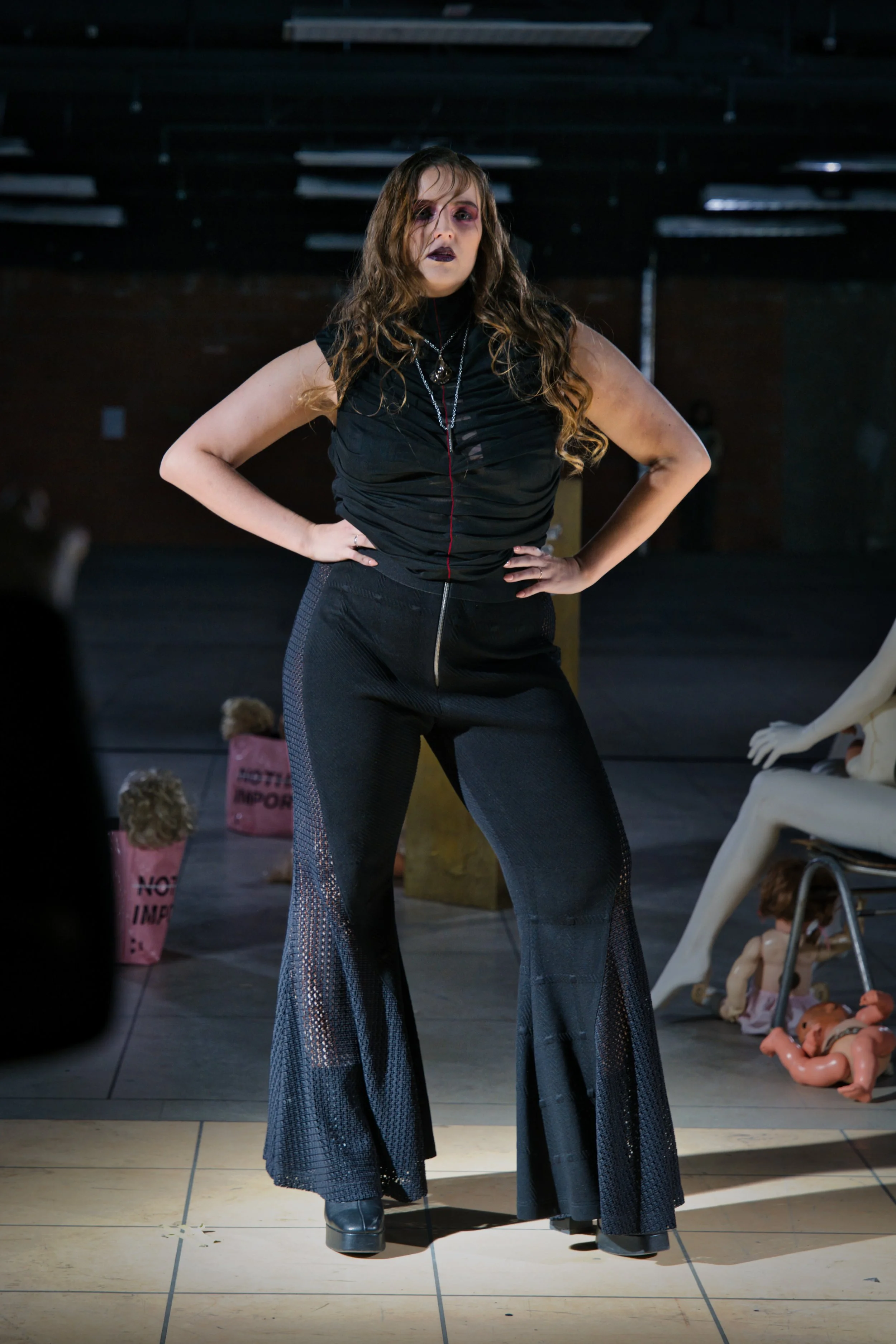
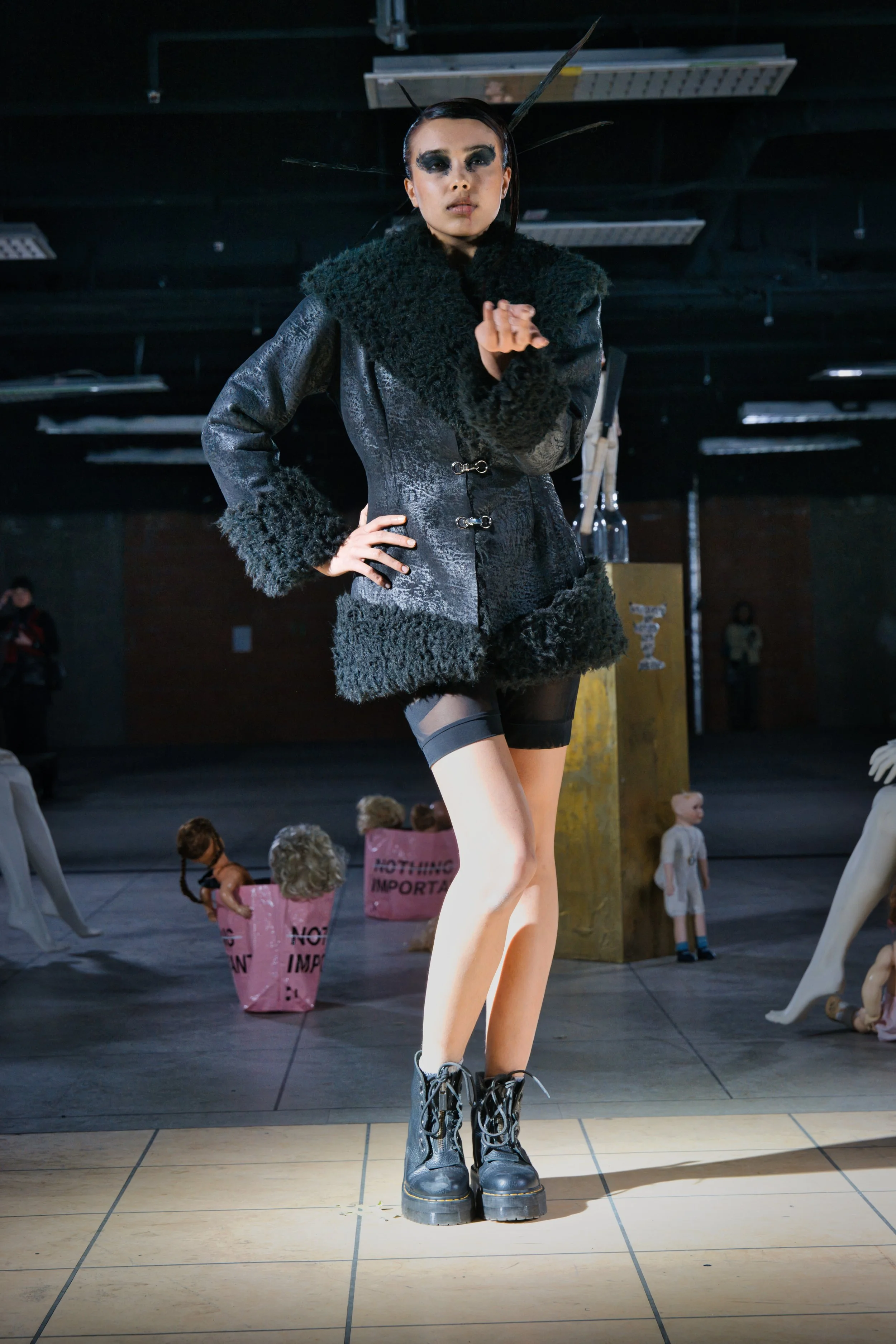
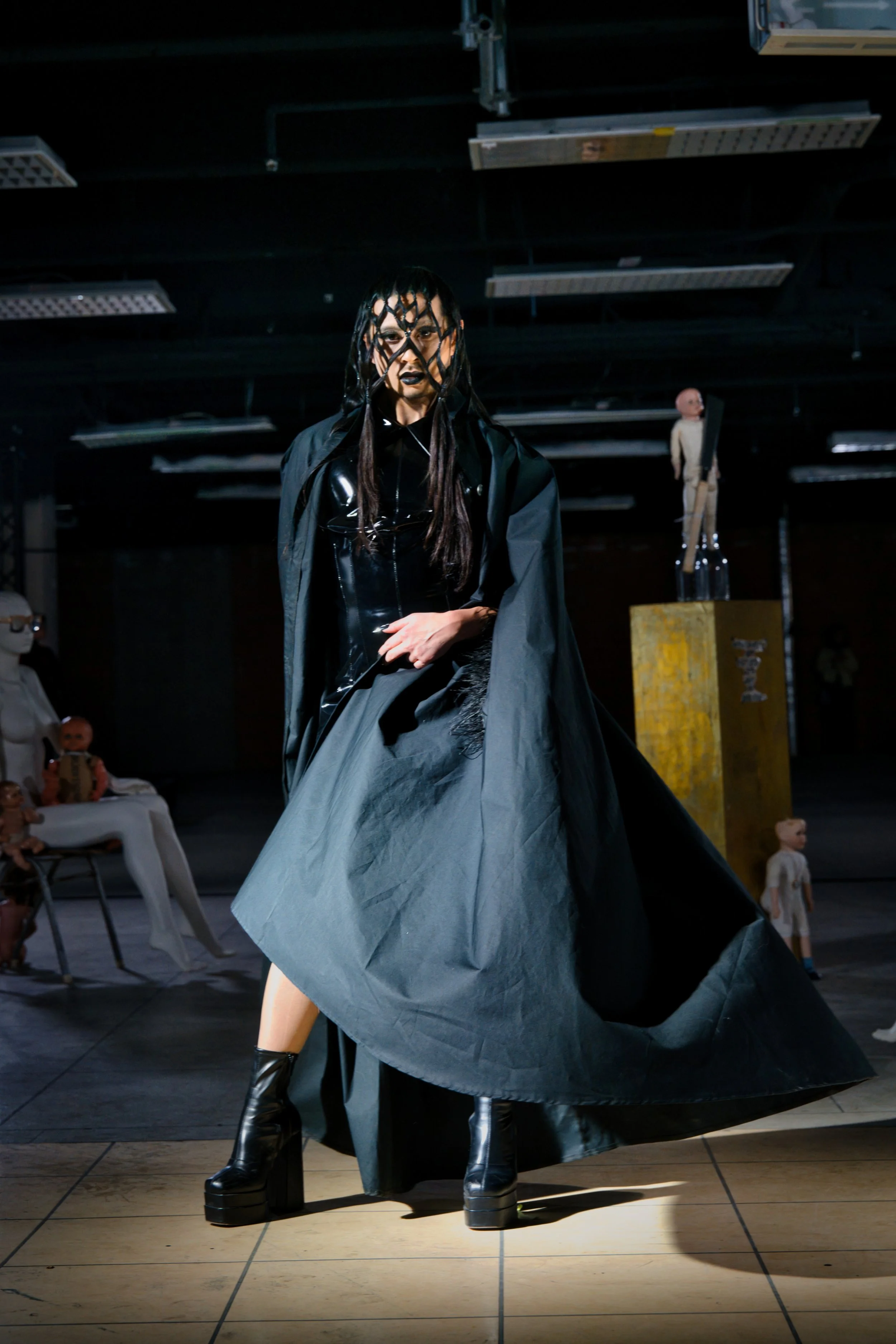
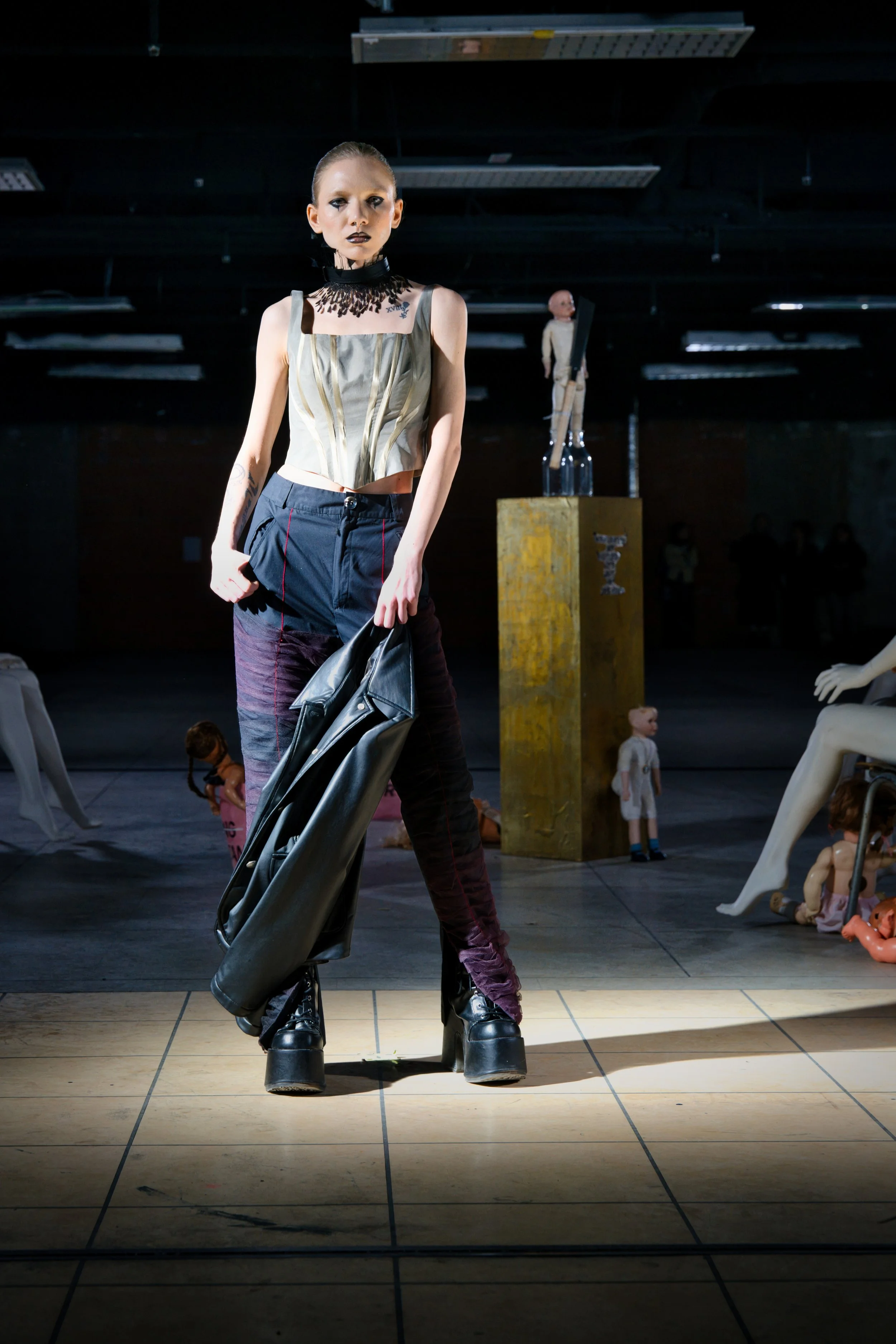
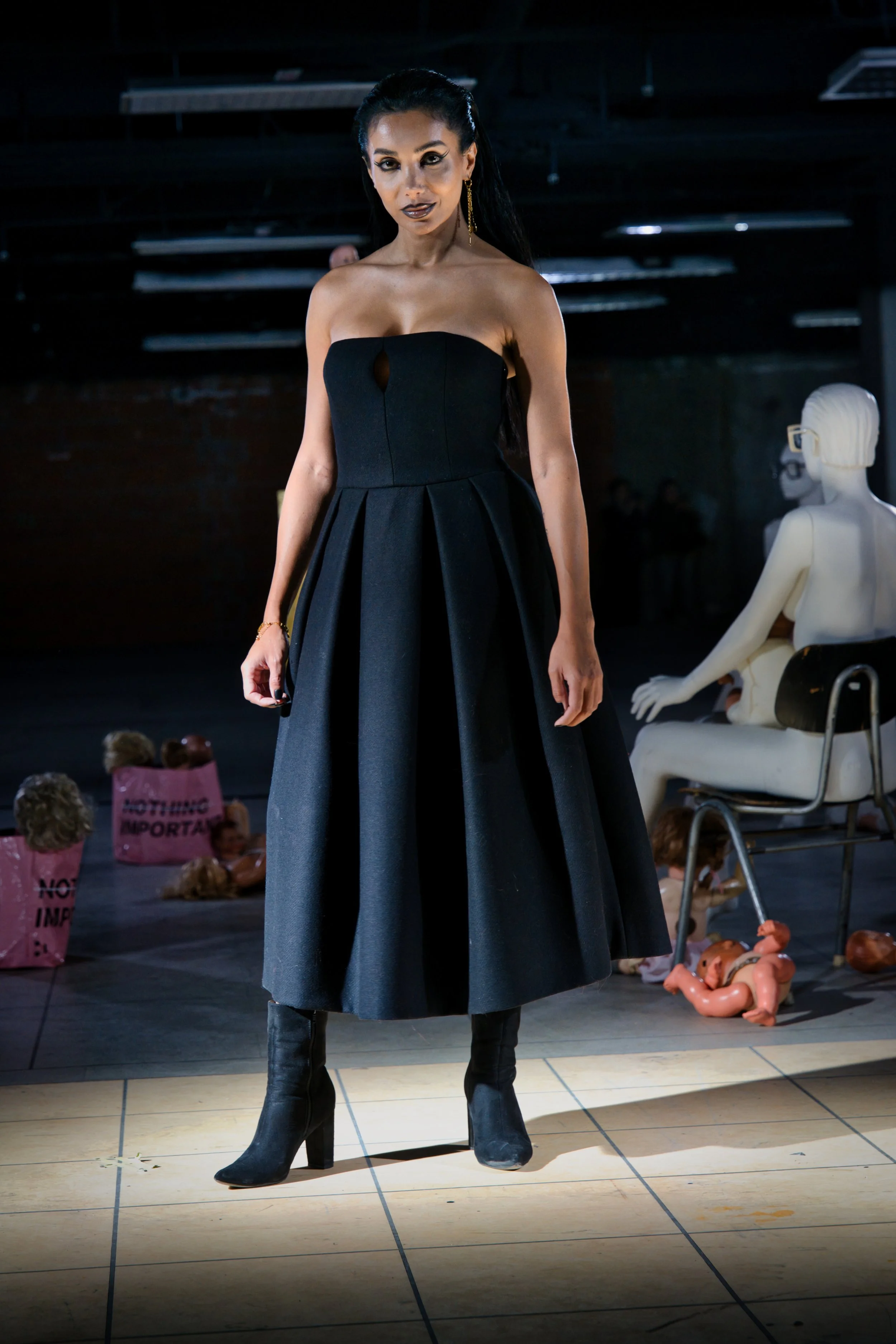
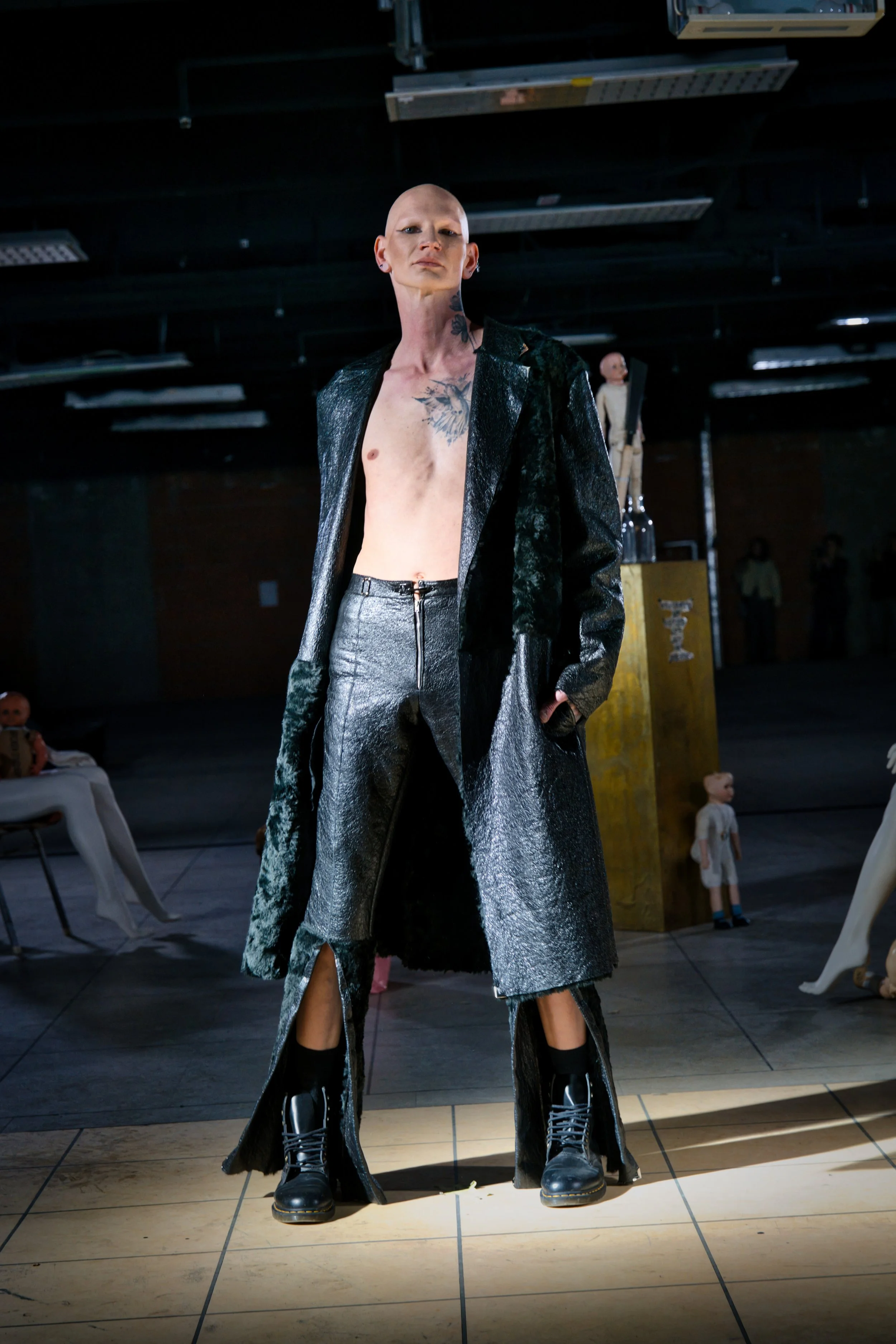
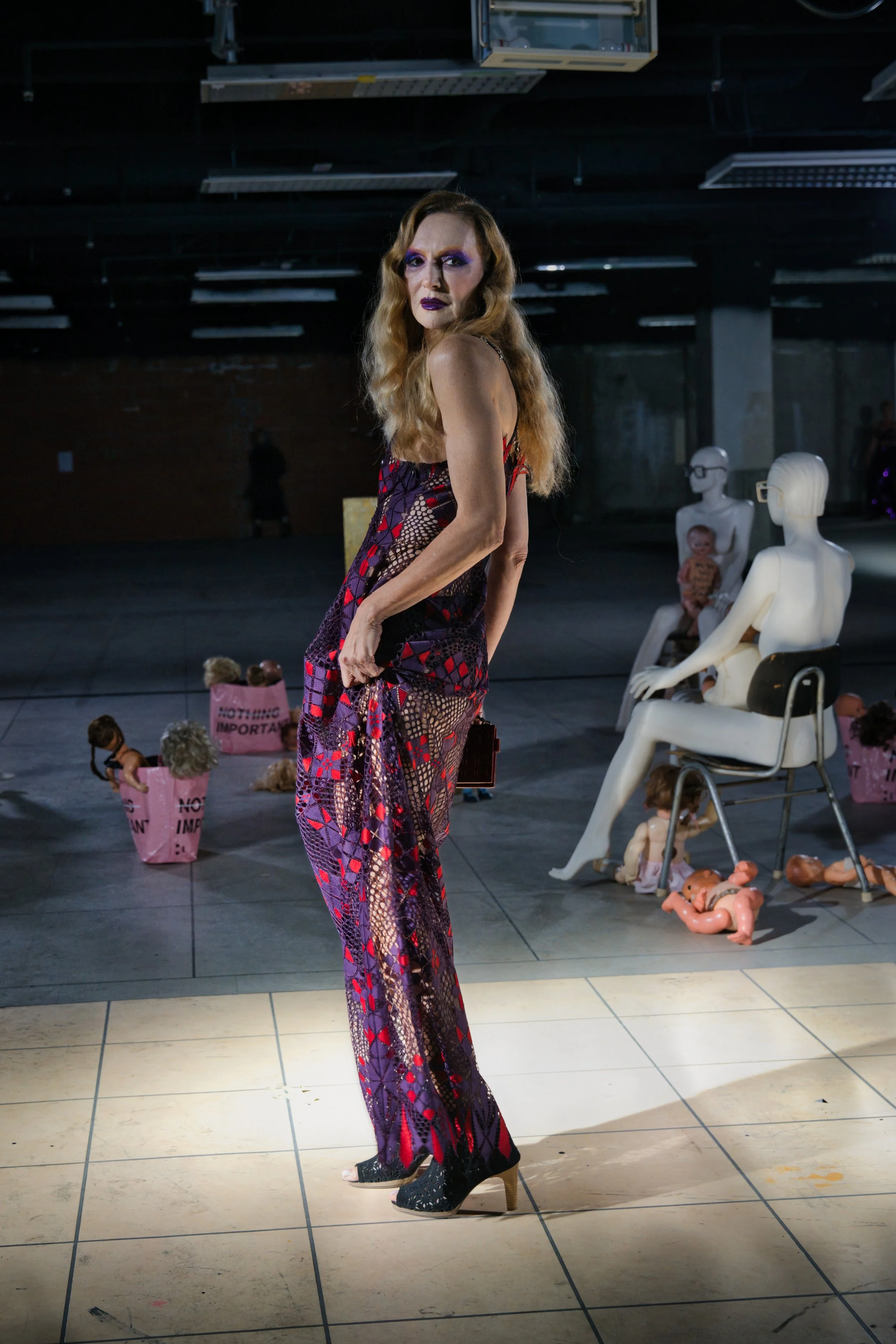
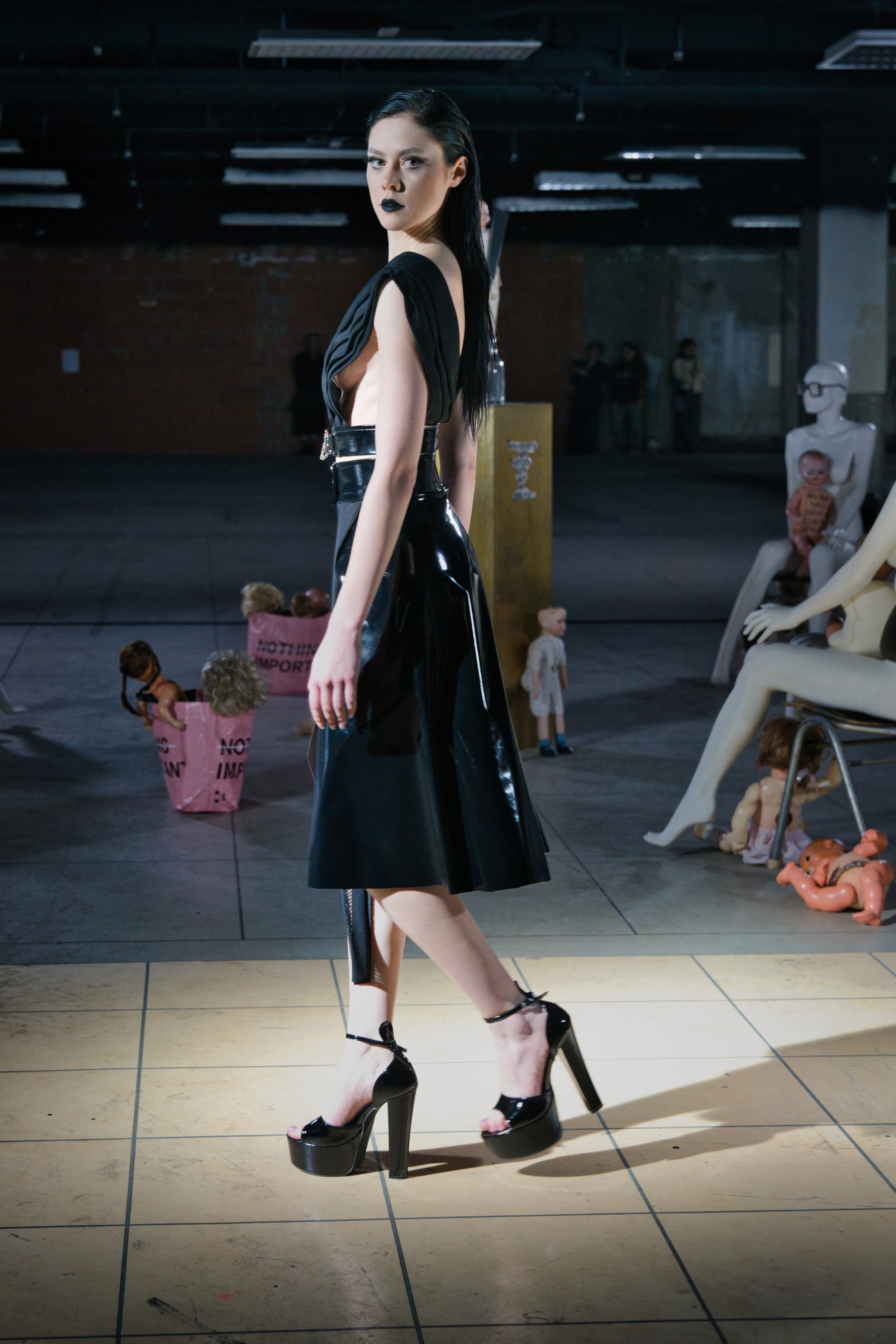
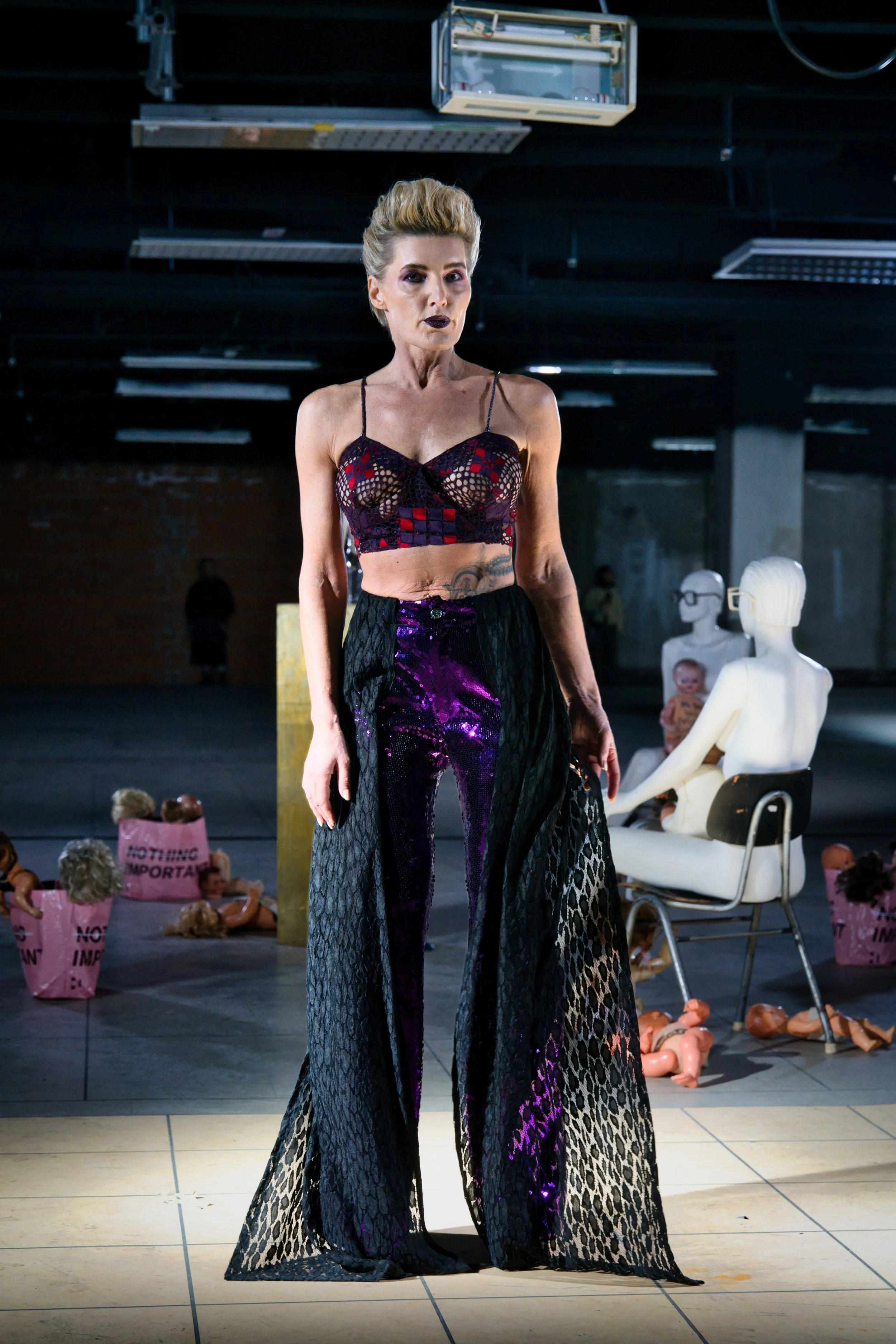
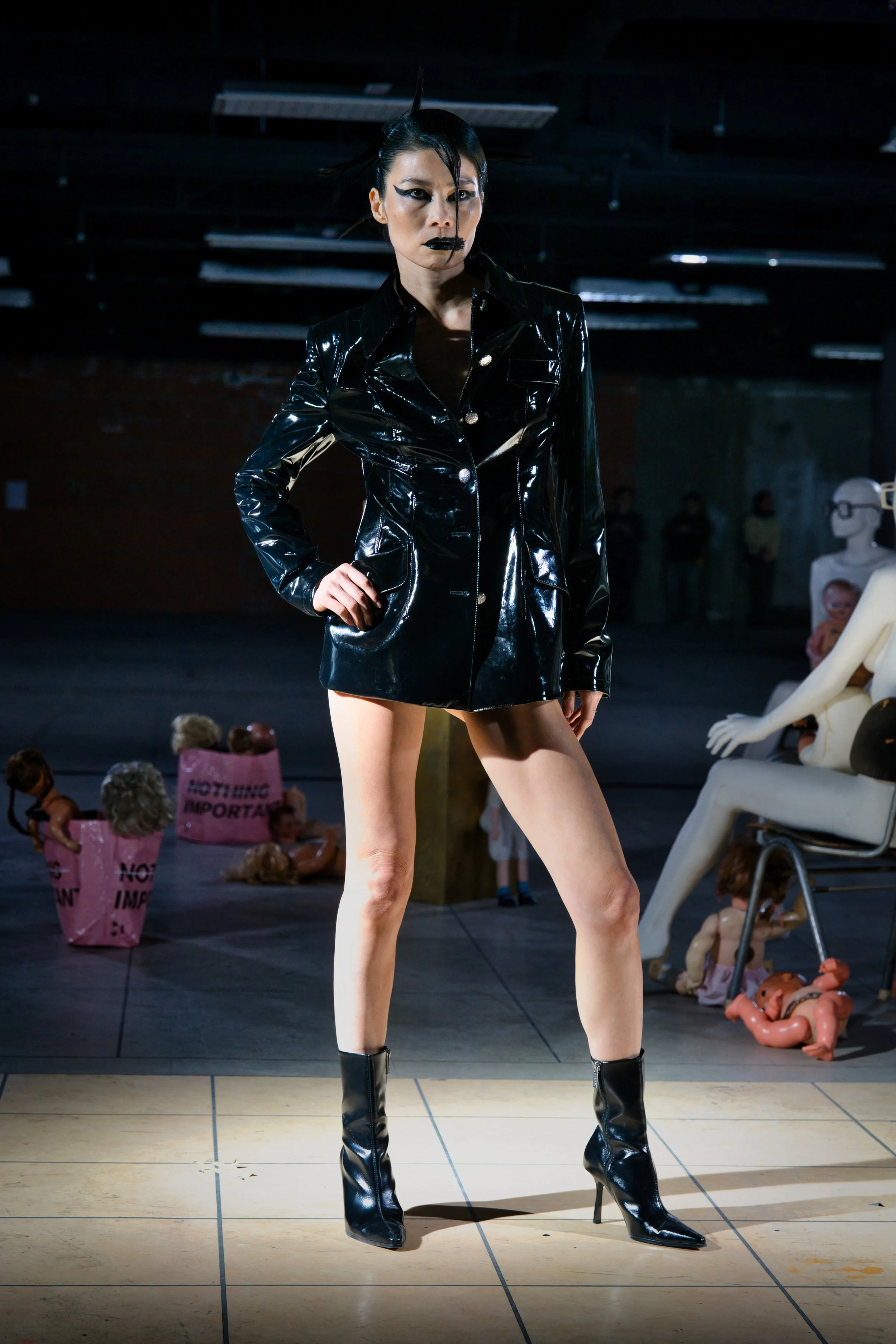
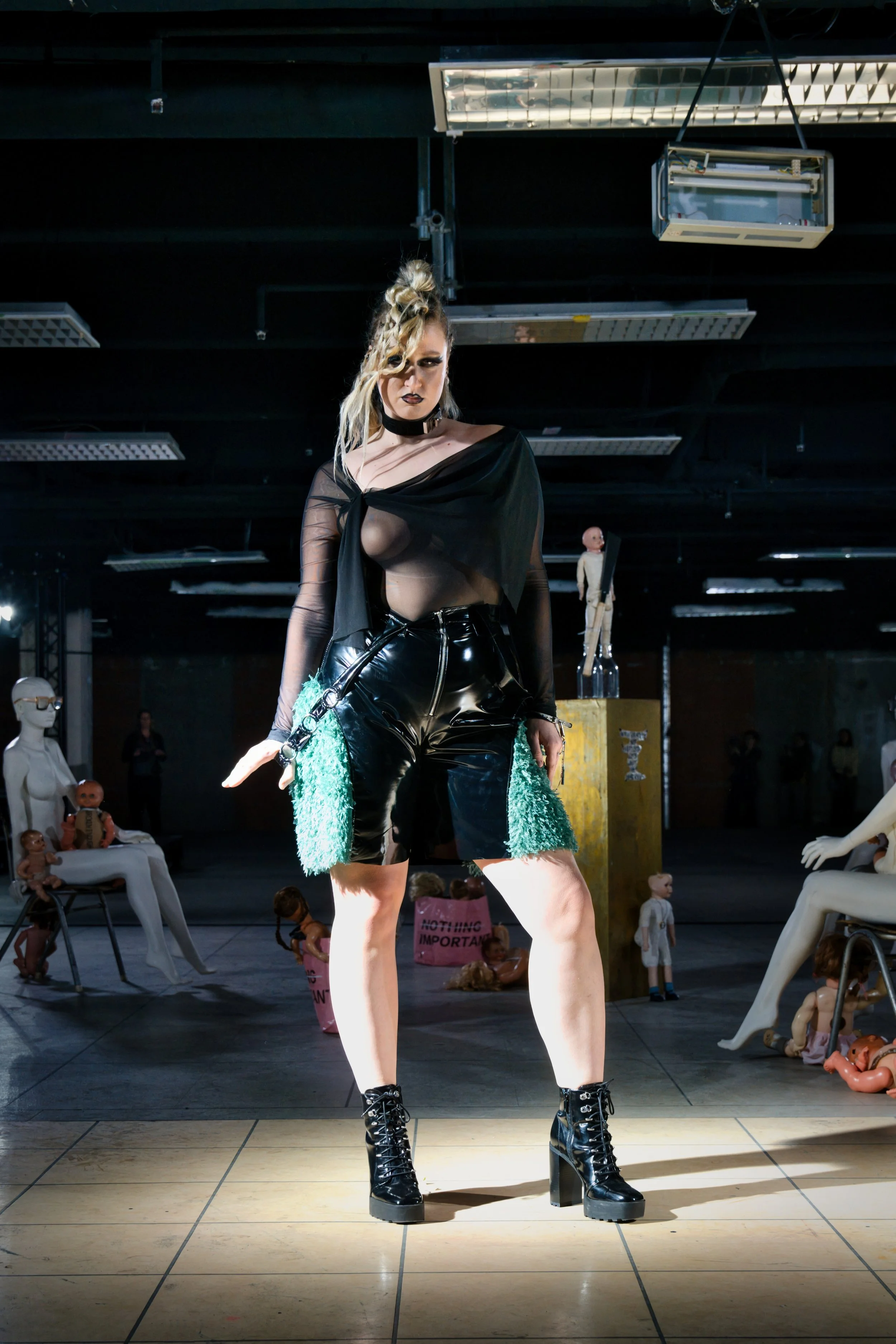
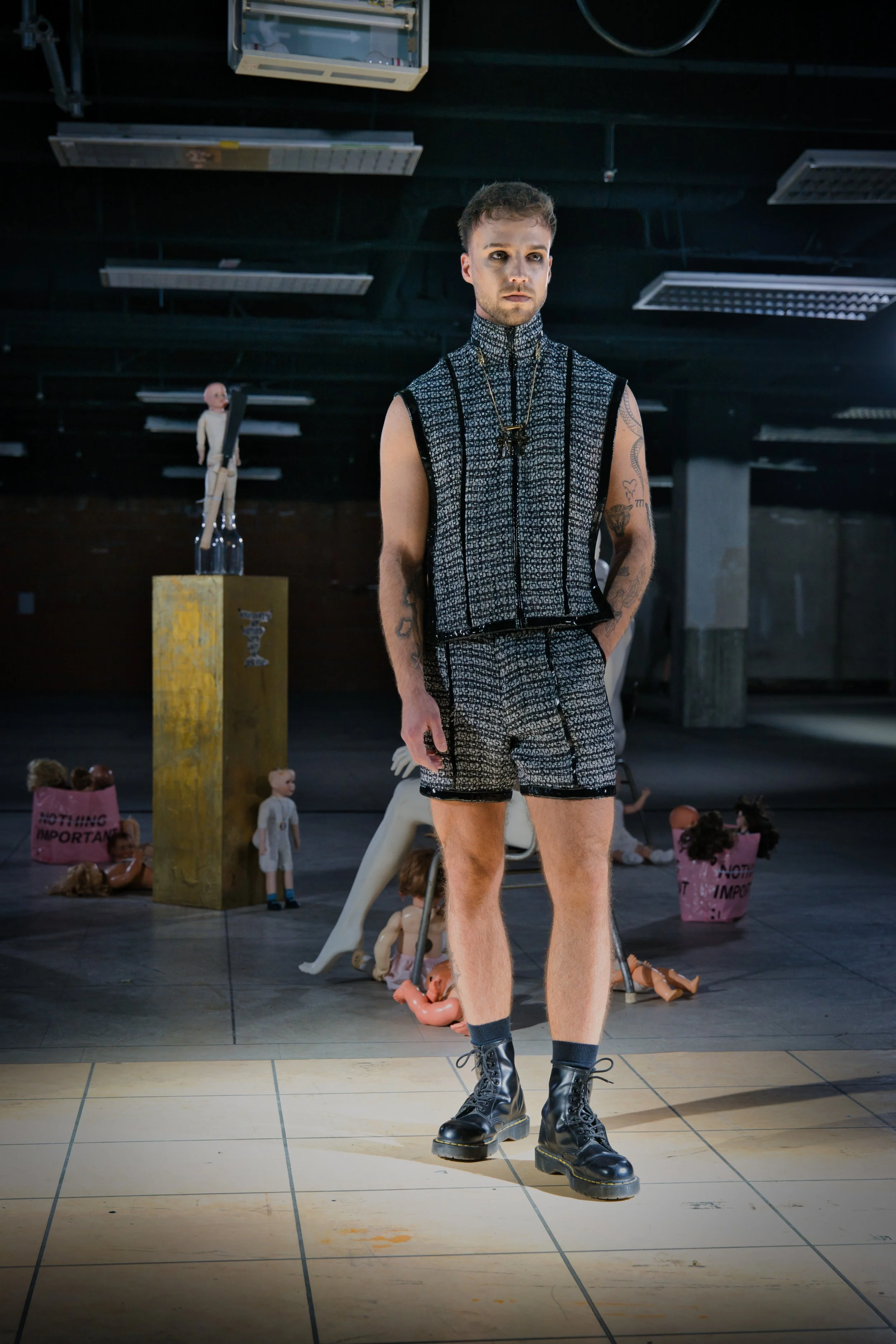
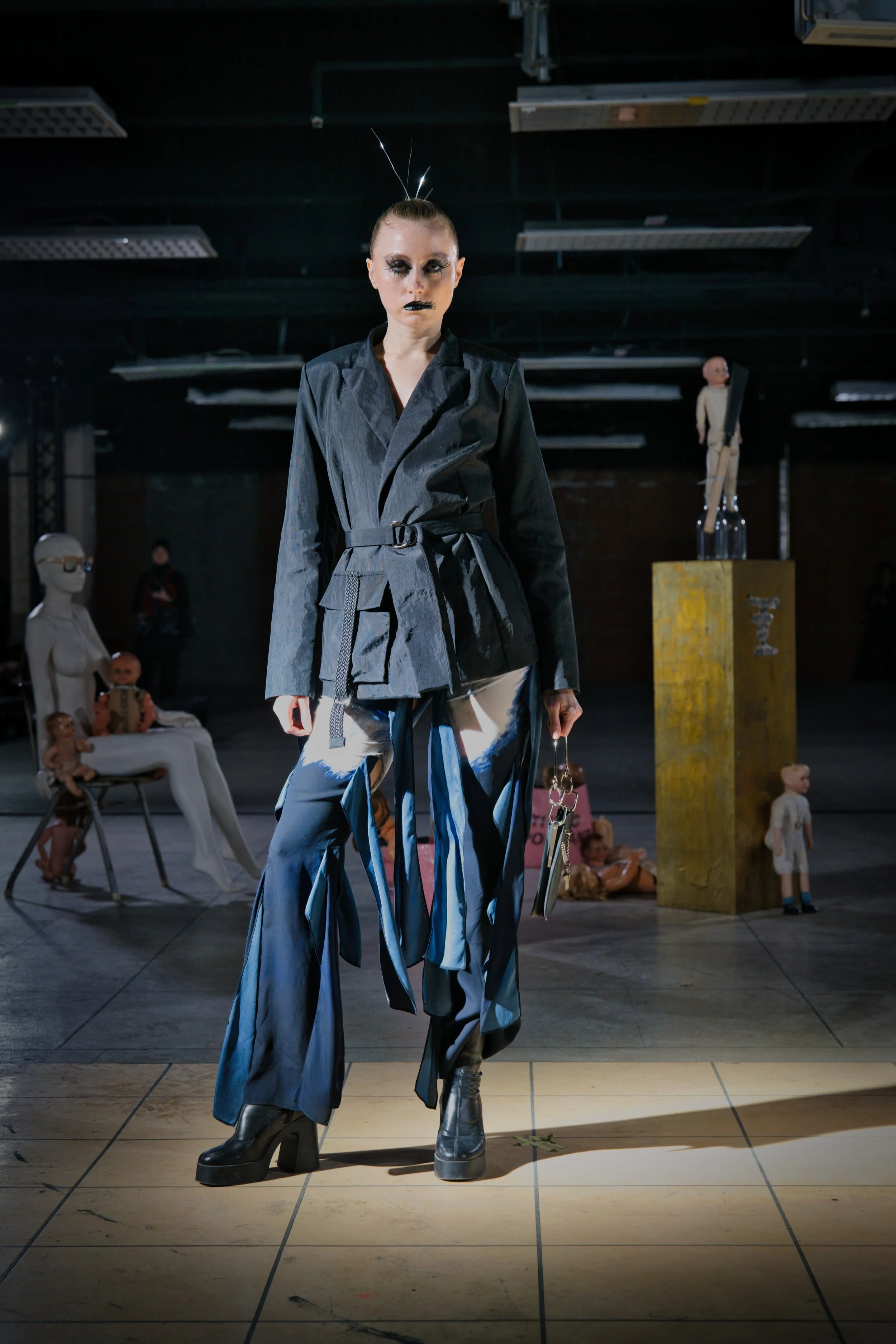
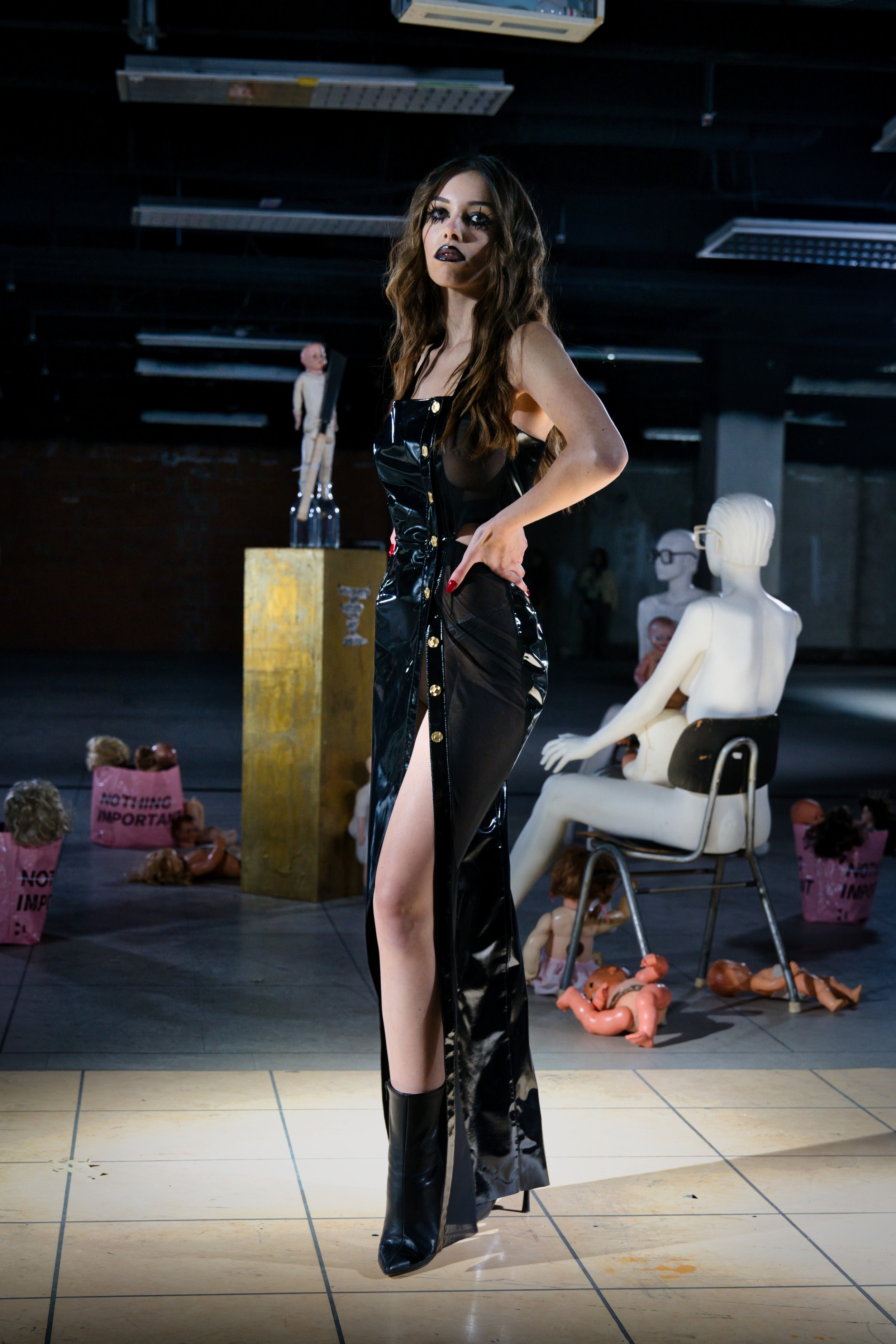
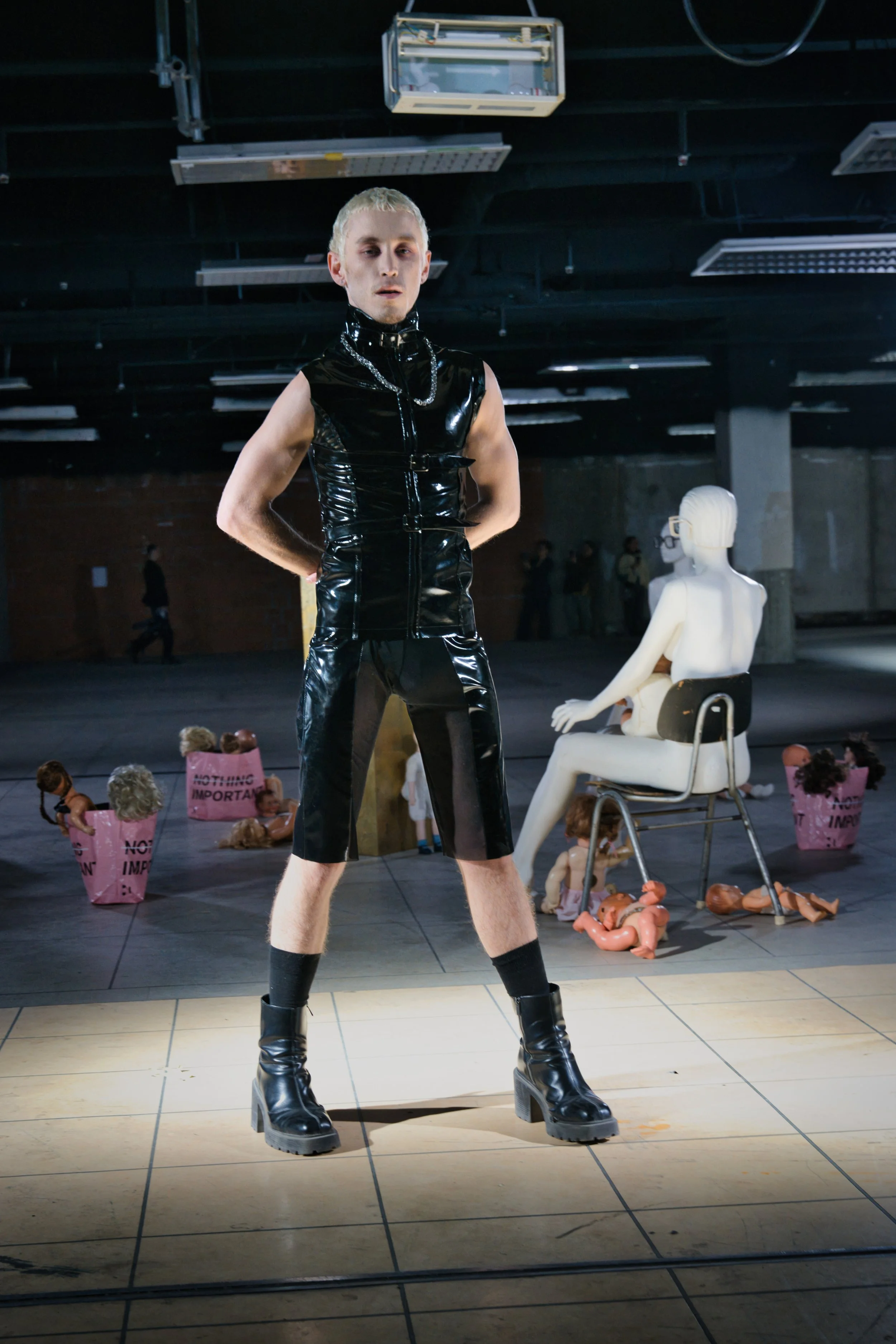
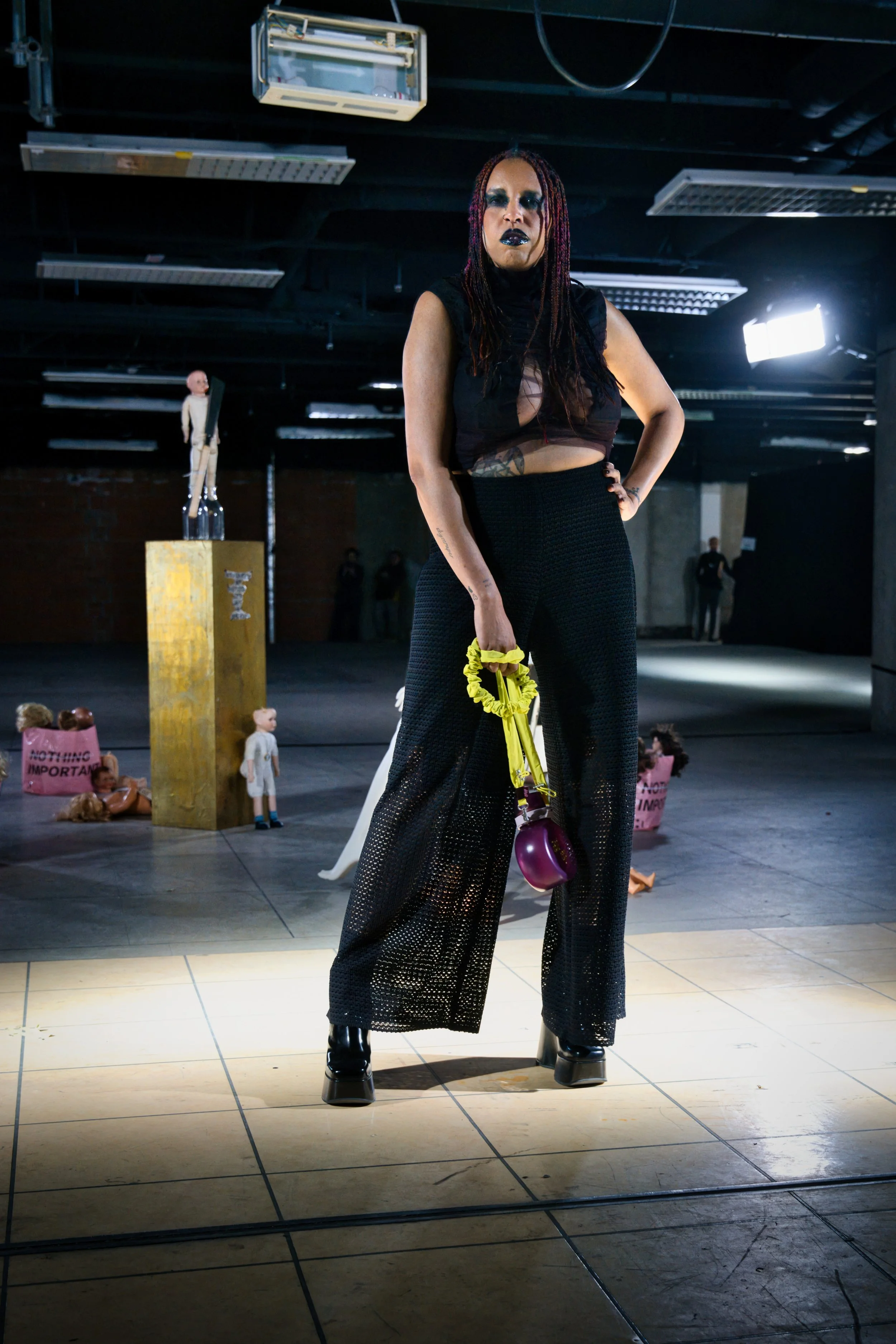
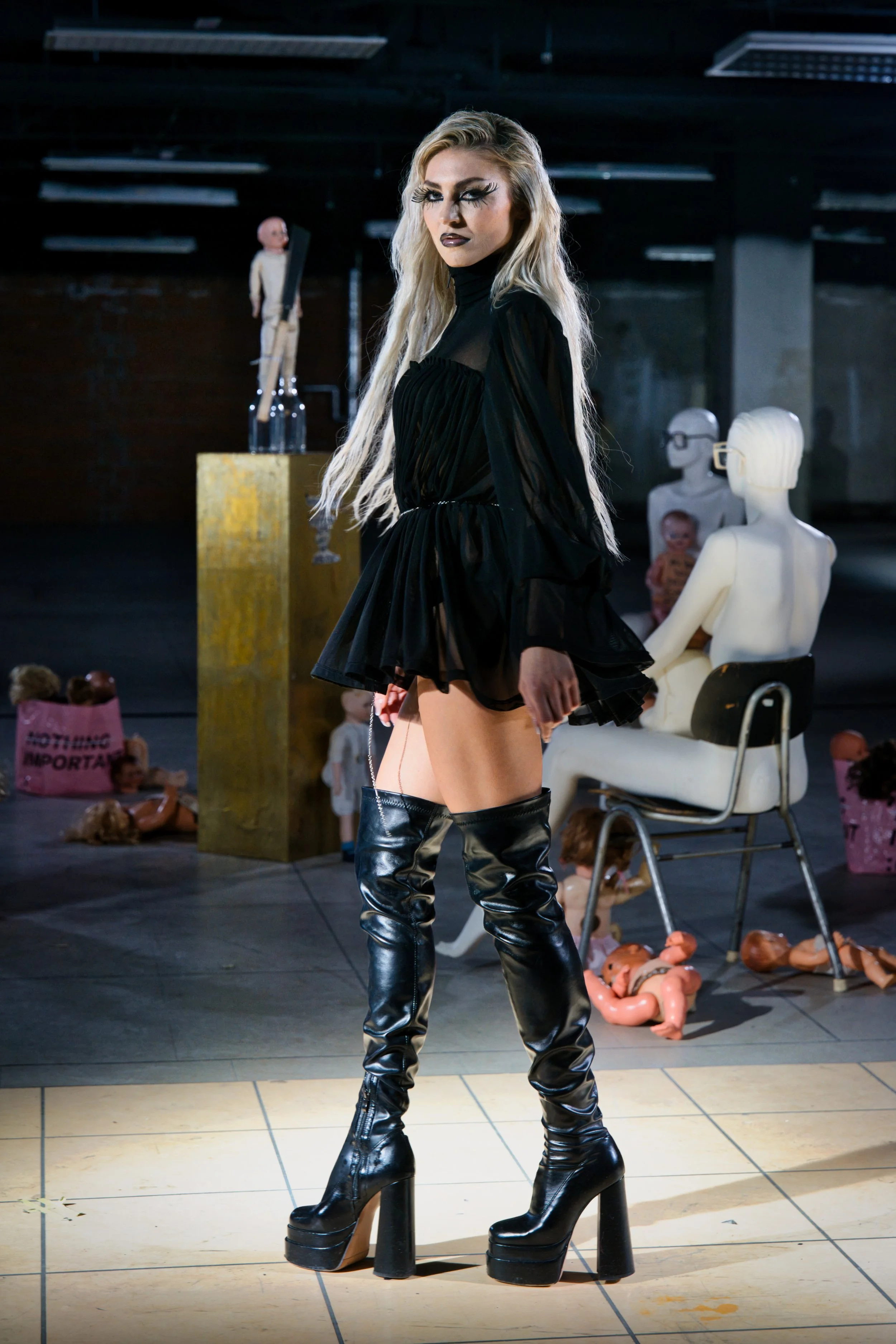
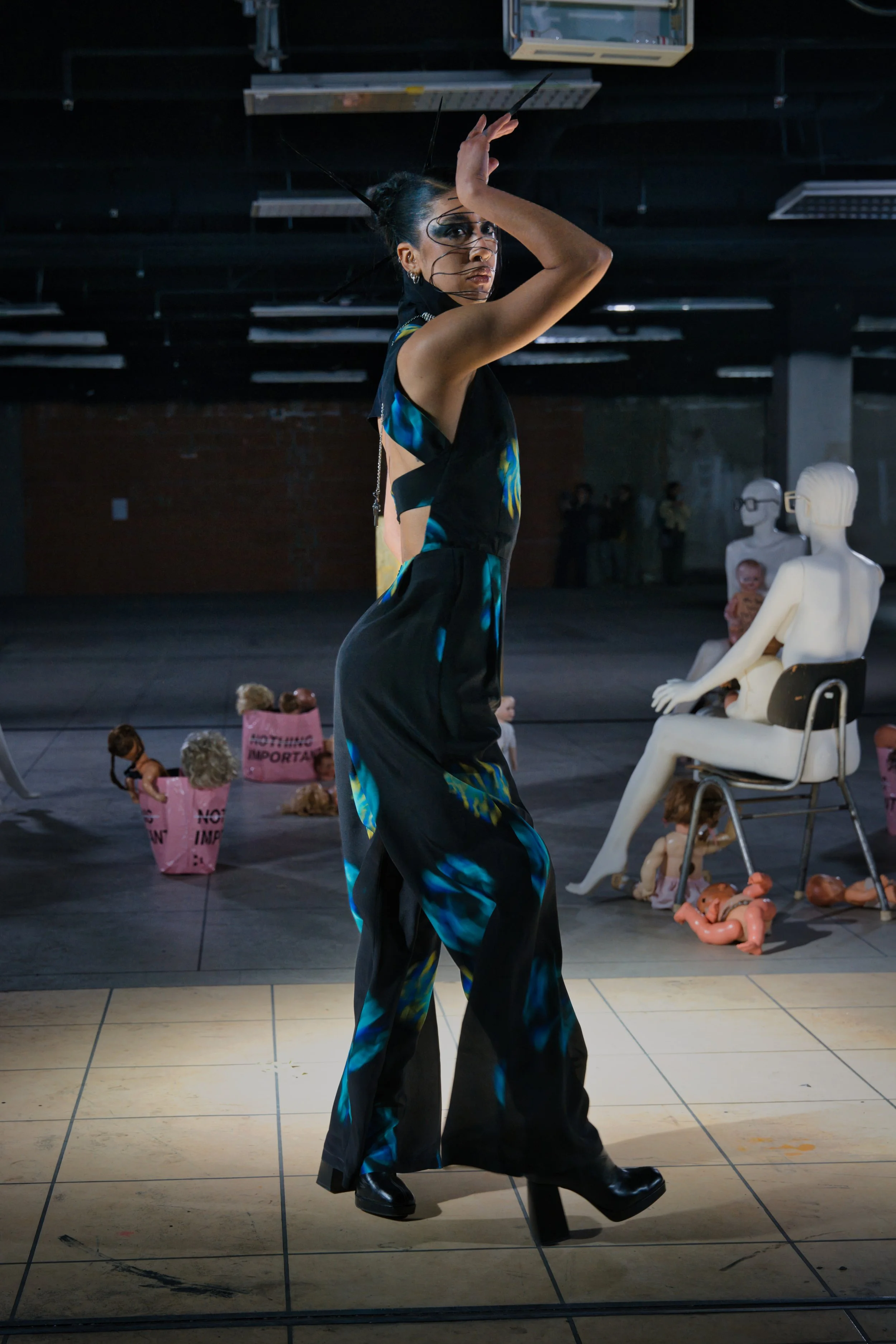
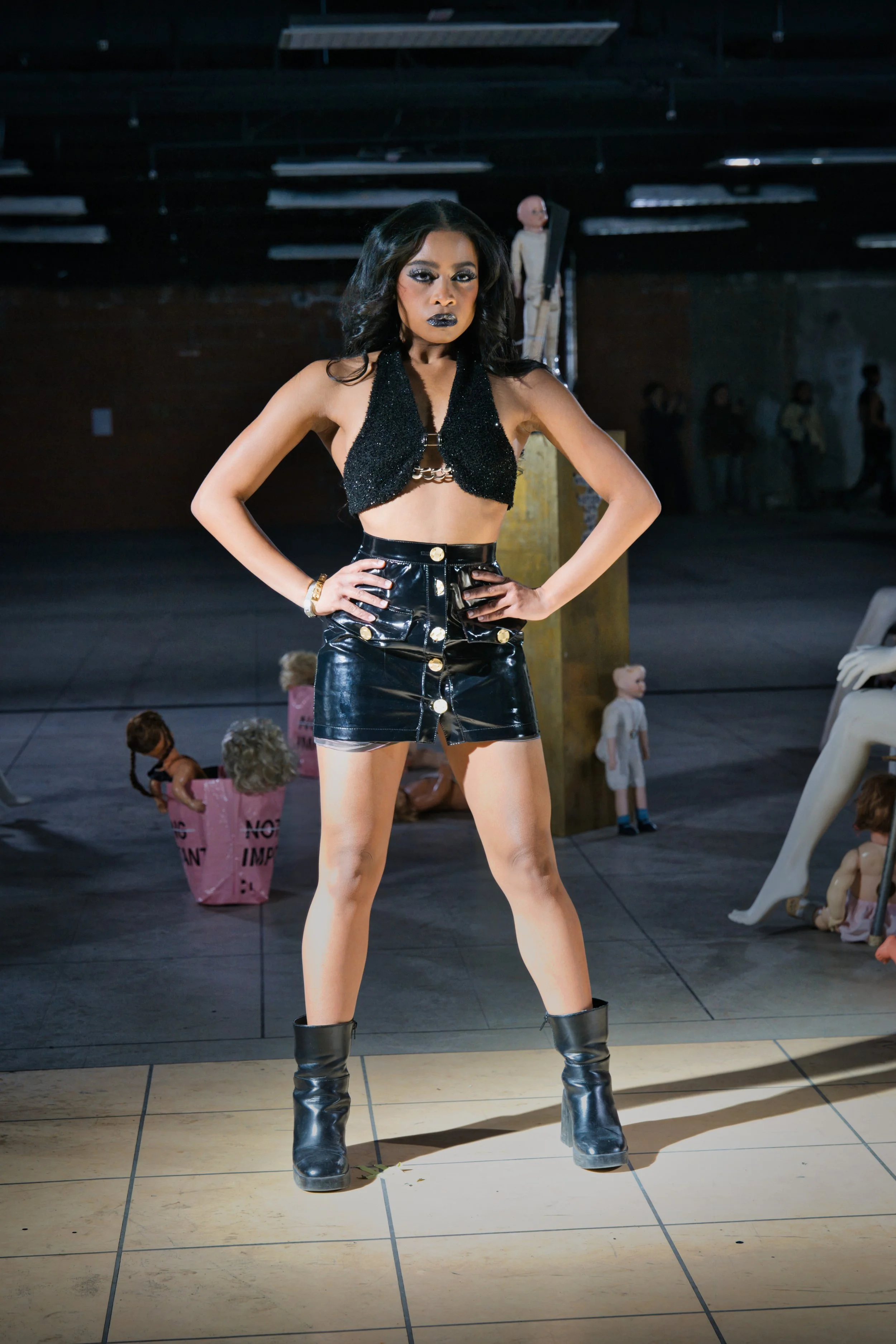
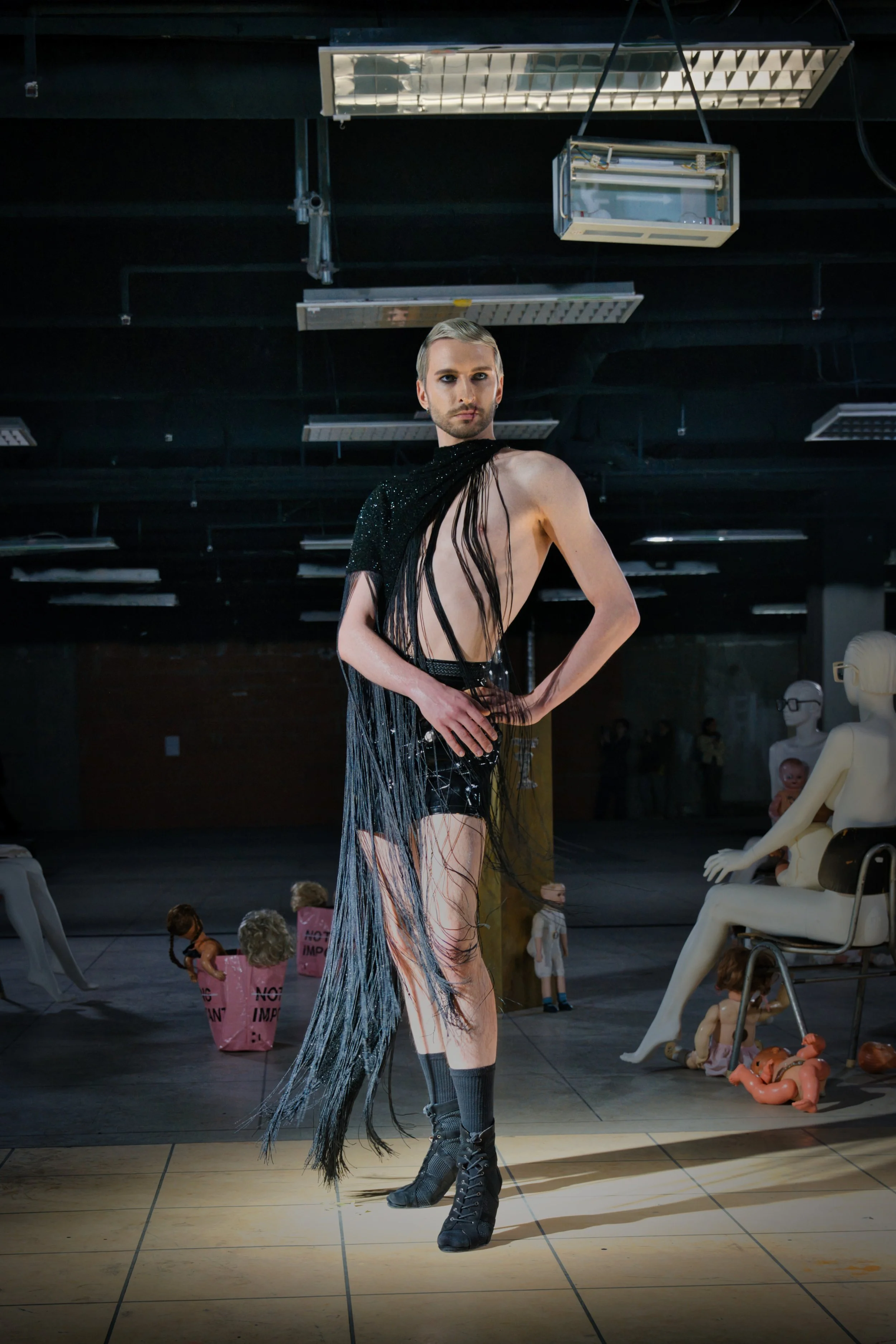
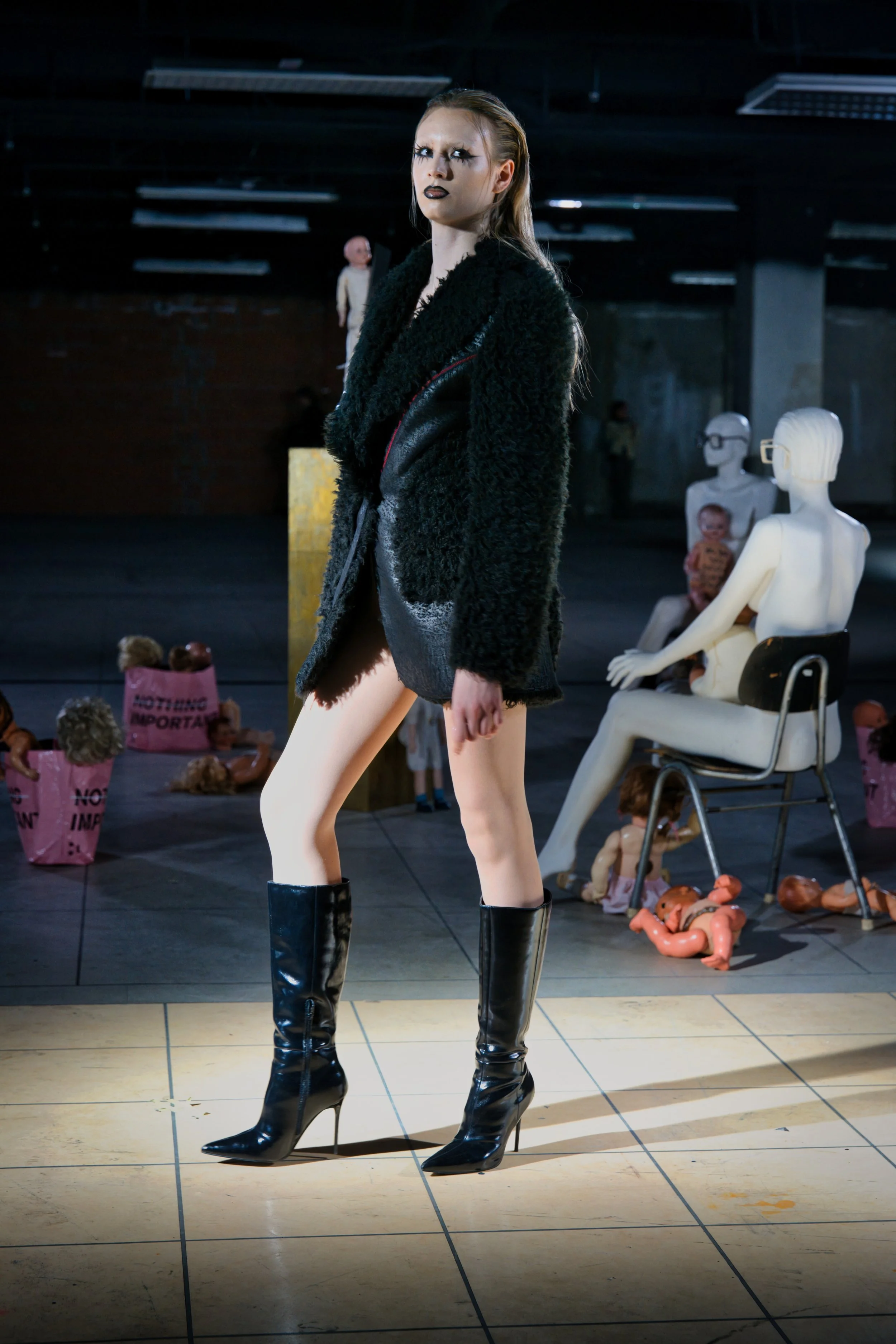
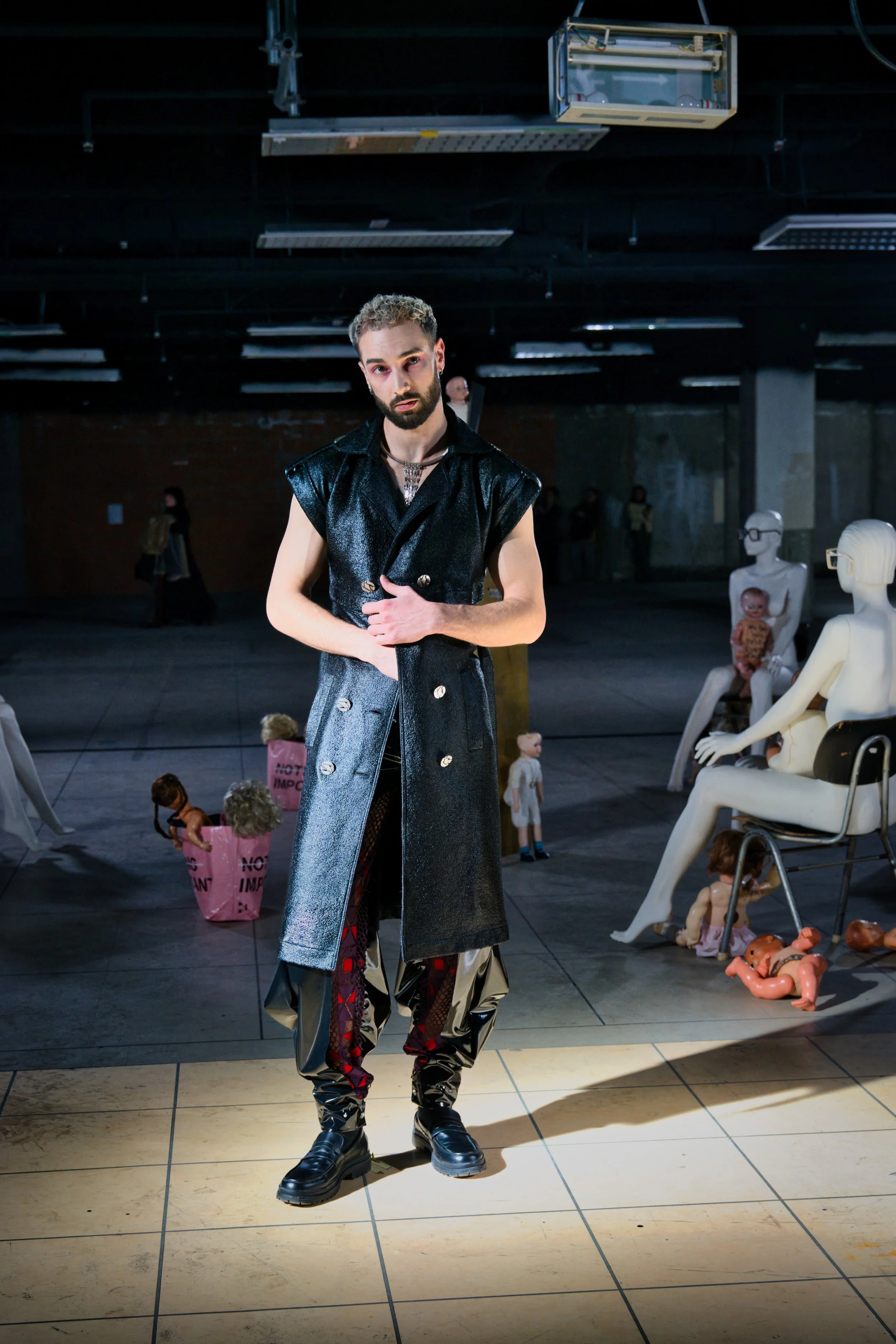
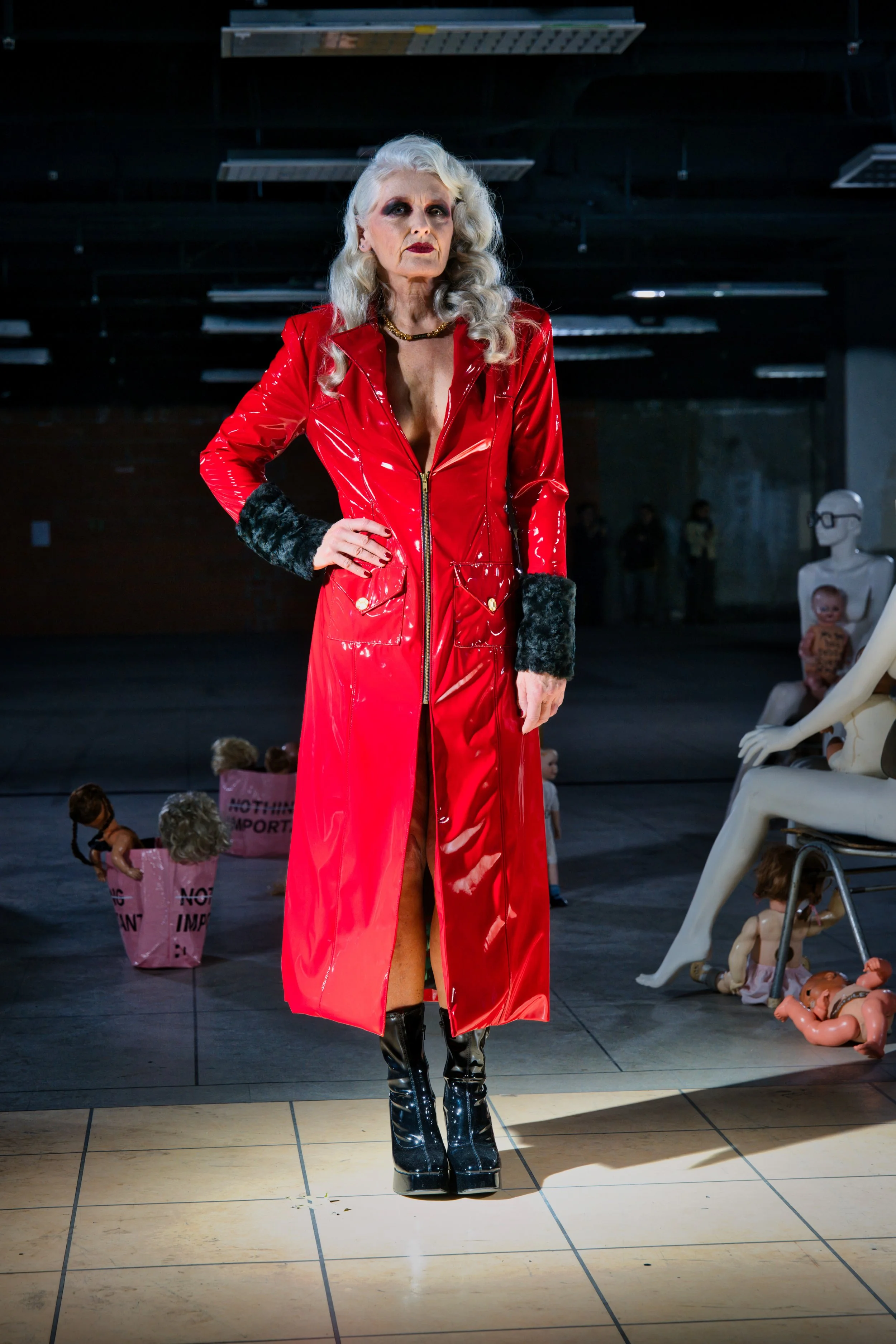
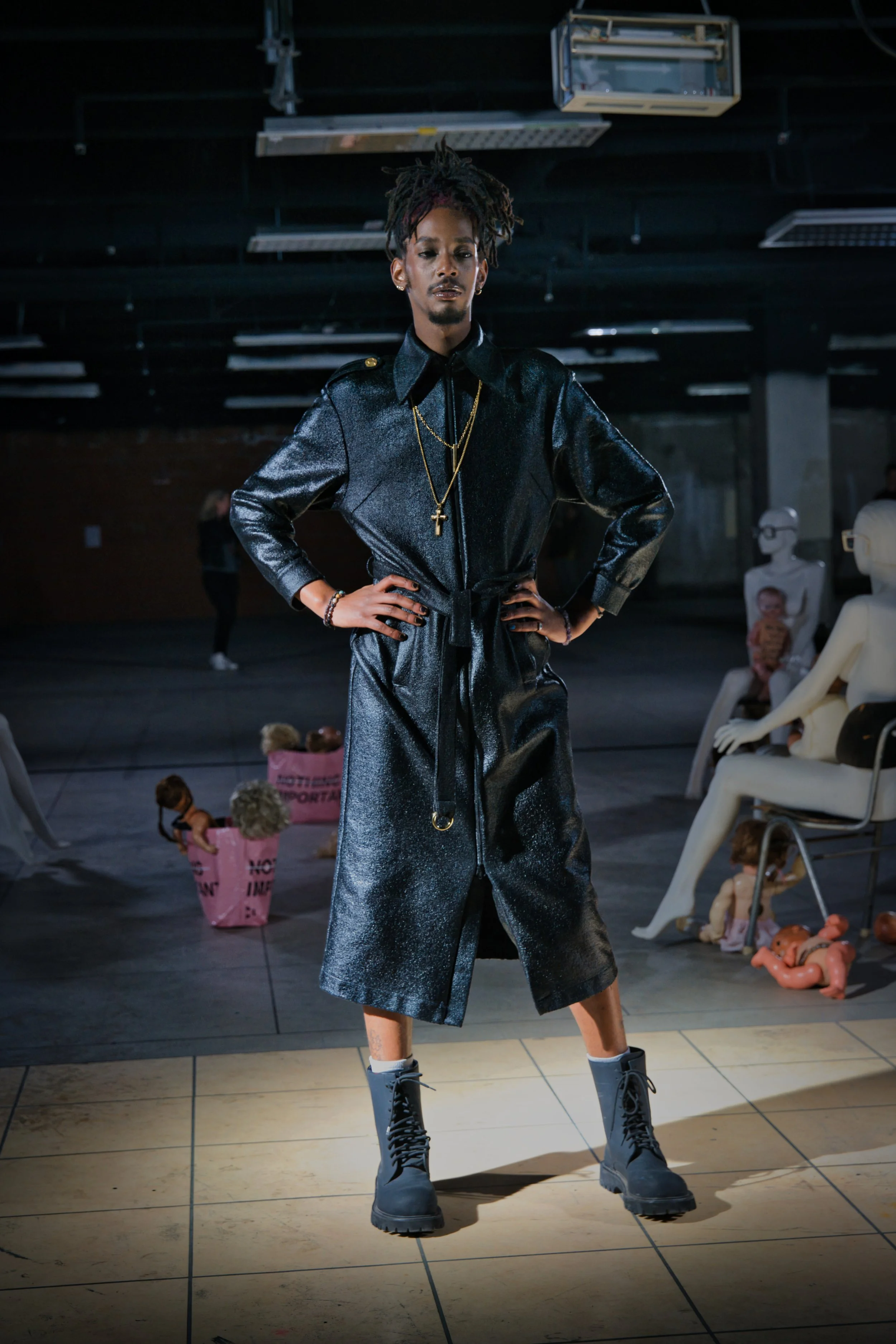
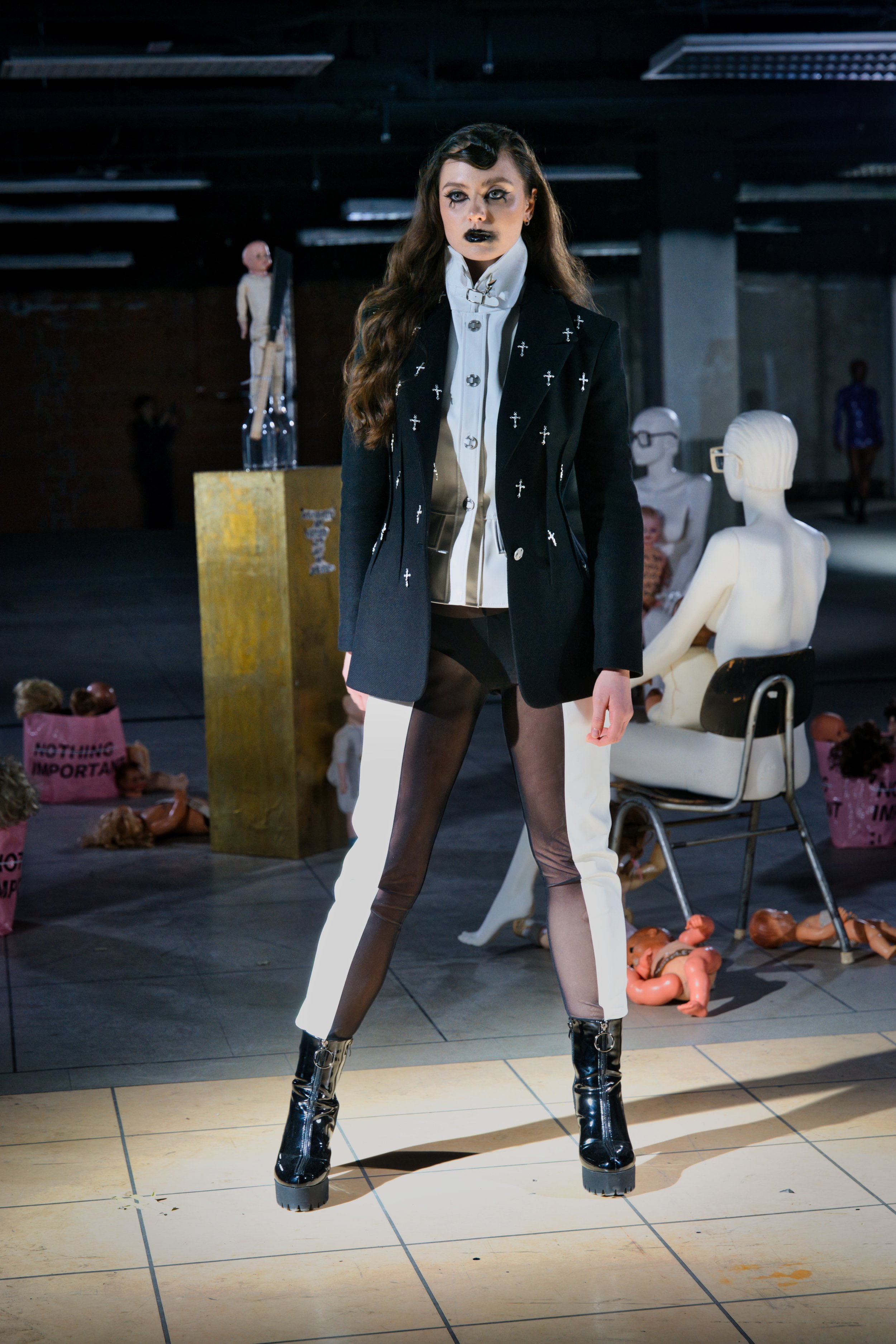
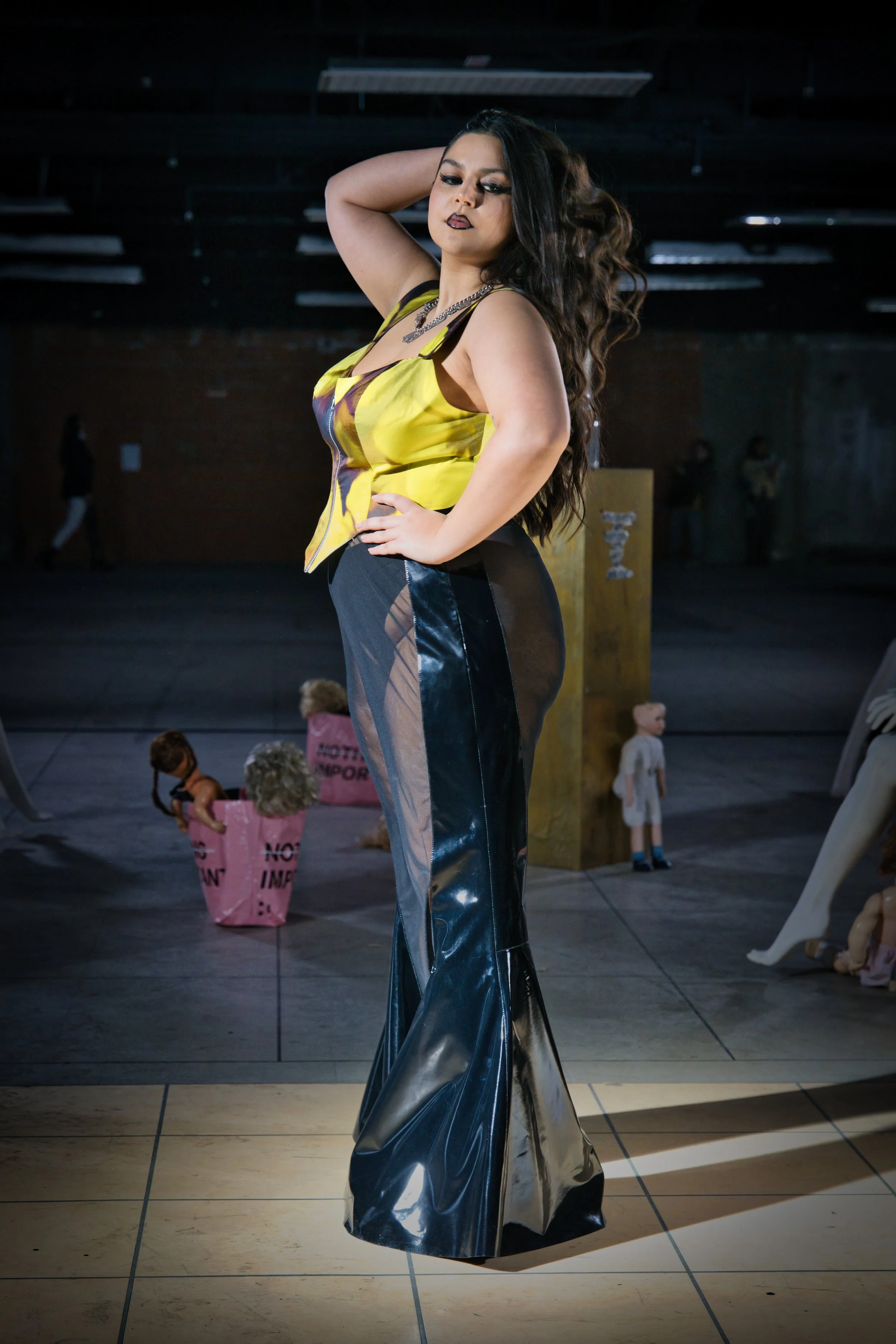
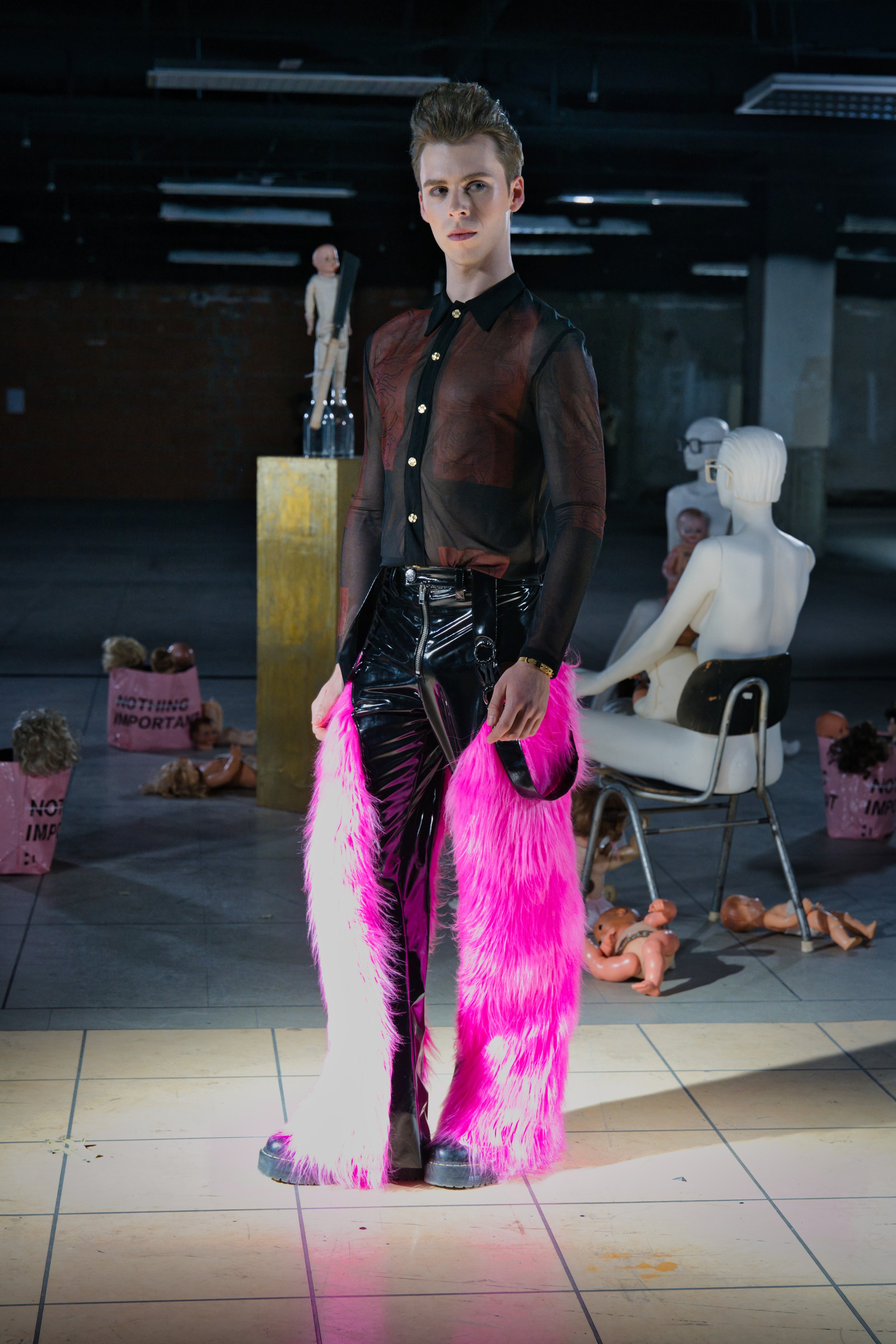
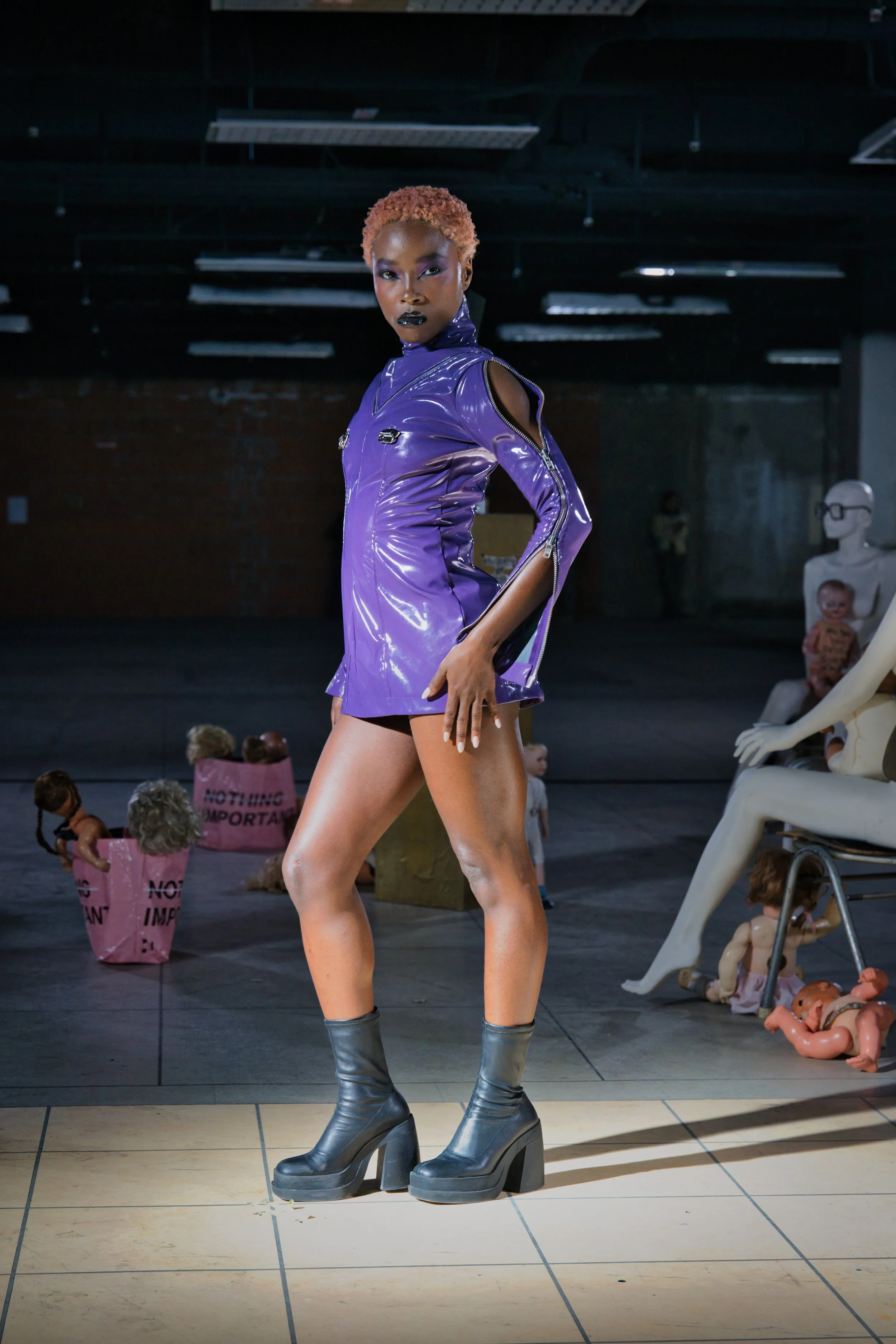
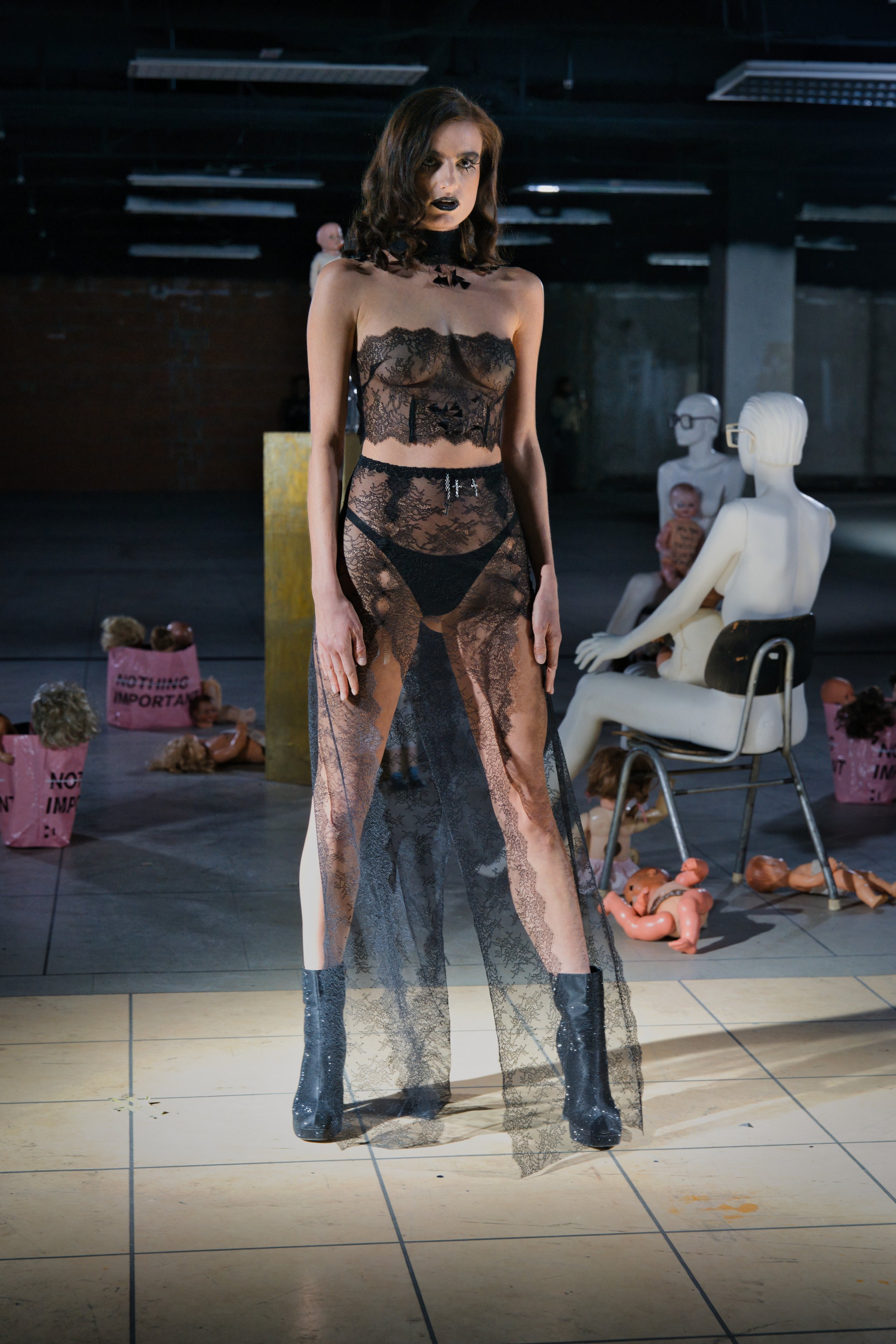
MYL BERLIN F/W 2026/2027 collection. Photos: Igor Ogashawara (@twlportrait)
The art installation suggested that a damaged childhood narrows possibility. I found myself wondering how often we internalize the label “nothing important”, attaching it to our own instincts, our riskier ideas, our softer impulses. How many times did we leave our comfort zone? How many creative choices are shaped not by vision, but by early caution?
Photography, like any art form, depends on a part of us that experiments without immediate validation. Fashion runway environments, with their hierarchy and urgency, can quietly suppress that part. Not maliciously, but structurally.
Standing in front of the art installation, I felt less interested in what others were photographing and more aware of what I might be avoiding. Was I documenting the show, or negotiating with my own limits?
When I left, it was not a particular garment that stayed with me. It was a feeling — subtle, unresolved. A sense that I have not yet fully reached my own breaking-free point.
The installation did not offer resolution. The dance remained fragmented. The lighting resisted cooperation. The audience needed time to arrive. Nothing aligned perfectly. And perhaps that is why it lingered.
Freedom does not appear all at once. Visibility is rarely complete. Creativity is often born in underexposed corners, in spaces others abandon because the light is insufficient.
In front of “nothing important,” I was reminded that the parts of ourselves dismissed early may be the very things that allow us to see differently. And maybe seeing differently is not about finding a new angle. Maybe it is about staying where it feels uncertain.